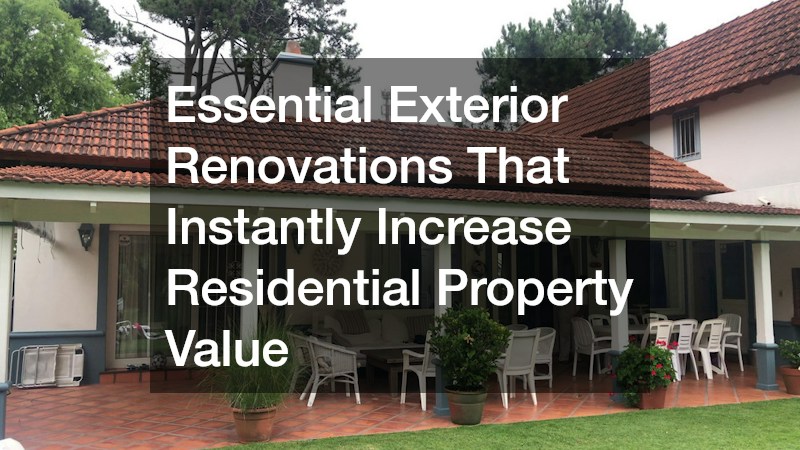

Real estate professionals often cite the seven-second rule: the brief window in which prospective buyers, neighbors, and appraisers form a lasting opinion about a home before stepping through the front door. Long before anyone admires quartz countertops or refinished hardwood floors, the exterior sets the baseline for perceived value, structural care, and pride of ownership. Annual cost-versus-value benchmarks consistently show that exterior remodeling projects outperform most interior renovations in return on investment, frequently recouping between 70 percent and over 100 percent of project costs at resale while shortening time on the market.
Boosting residential property value from the outside in does not require chasing fleeting trends. The smartest upgrades balance structural protection, everyday usability, and sharp presentation. Whether you plan to list your home soon or build long-term equity while enjoying your property today, prioritizing high-impact exterior improvements delivers immediate financial and aesthetic dividends. Below is a practical roadmap organized from essential structural protection down to the finishing details that command top dollar.
Replace Aging Shingles with Architectural Materials to Eliminate Inspection Red Flags
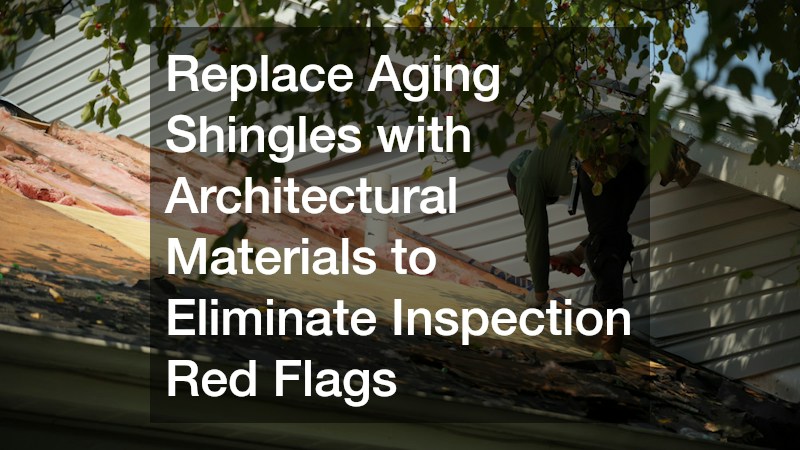
Few issues derail a sale or depress an appraisal faster than a worn, curling, or patched roof. Because roofing accounts for roughly 40 percent of a home’s visible exterior surface, replacing an aging system transforms curb appeal and structural confidence overnight. Architectural dimensional shingles offer thicker profiles, stronger wind ratings, and deeper shadow lines than three-tab shingles, while standing-seam metal accents over porches add crisp character.
When planning a roof upgrade, prioritize features that resonate with appraisers and insurers:
- Class 4 impact-resistant ratings: Hail- and debris-resistant shingles often qualify homeowners for annual insurance discounts, a tangible selling point for buyers.
- Synthetic underlayment and ice-and-water shields: Modern moisture barriers protect decking against wind-driven rain and ice dams far better than felt paper.
- Continuous ridge and soffit ventilation: Balanced attic airflow prevents premature shingle baking in summer and condensation rot in winter.
Before committing to a replacement, schedule an evaluation with a licensed roofer who can inspect flashing around chimneys and valleys, replace compromised decking, and provide transferable warranty documentation.
Seal Hairline Cracks and Refinish Exterior Cladding to Modernize Your Facade
Faded, chalky, or cracked exterior walls signal deferred maintenance and invite moisture intrusion behind the weather barrier. Refreshing tired siding or masonry cladding modernizes the house’s silhouette while improving weather resistance and curb appeal.
Focus on high-impact facade upgrades that protect the structure and broaden buyer appeal:
- Board and trim replacement: Swapping out warped fiber-cement siding, damaged corner boards, and rotted fascia trim creates crisp architectural lines and prevents water infiltration.
- High-build elastomeric coatings: Applying flexible, weather-resistant exterior coatings bridges minor surface imperfections and delivers long-lasting color retention.
- Timeless neutral color palettes: Pairing warm off-white, soft greige, or muted sage body colors with deep charcoal trim appeals to the widest pool of buyers while highlighting architectural details.
If your home features textured masonry walls, hairline settlement cracks or impact damage around windows and foundations require specialized repair rather than standard paint. Working with experienced stucco services allows you to mesh and patch substrate cracks, match surrounding textures invisibly, and apply breathable finishes that flex with temperature shifts.
Tear Out Sunken, Cracked Slabs to Create a Smooth, Welcoming Approach
When frost heave, tree roots, or poor soil compaction cause driveway slabs to settle unevenly, superficial patching rarely lasts beyond one season. Appraisers and buyers immediately notice heaving joints and crumbling edges because they represent an expensive project waiting for the next owner. Replacing a deteriorated drive with a clean, engineered slab establishes an instant sense of order, safety, and permanence.
To ensure a replacement driveway retains its crisp appearance for decades without cracking, insist on strict structural specifications:
- Excavated and compacted aggregate base: Removing organic topsoil and compacting four to six inches of crushed stone prevents settling under vehicles.
- Adequate slab thickness and steel reinforcement: A four-inch pour—upgraded to five or six inches for heavy trucks—reinforced with rebar or wire mesh resists flexing.
- Strategic control joints and positive drainage: Spaced contraction joints guide natural shrinkage cracking out of sight, while a consistent slope directs water away from the garage.
Gathering itemized proposals from reputable concrete driveway contractors helps you compare base-preparation standards, mix strengths, and curing procedures rather than simply choosing the lowest bid.
Add Stamped Borders and Exposed Aggregate Finishes for Custom Architectural Detail

Once the structural foundation of your driveway and entry walk is solid, decorative finishing techniques elevate plain gray flatwork into a custom architectural feature. Buyers appreciate tailored details that bridge everyday durability and estate-style elegance—without the upkeep of loose gravel or shifting flagstone.
Consider incorporating high-return decorative upgrades along primary arrival paths:
- Contrasting borders and aprons: Framing a broom-finished driveway with a darker, stamped cobblestone or brick apron at the street and garage threshold creates crisp framing.
- Exposed aggregate textures: Washing away the top layer of cement paste to reveal natural river stone or granite aggregate delivers slip resistance and rich color variation.
- Coordinated front entry stoops and walkways: Widening a narrow front sidewalk to at least four feet and curving it gracefully toward the driveway improves guest flow.
Collaborating with an established concrete company capable of pouring matching driveways, walkways, and front steps in one schedule ensures consistent color batches, smooth transitions, and a cohesive custom appearance.
Install Permeable Paver Patios and Walkways to Extend Your Home’s Footprint
Adding a ground-level patio or courtyard gives homeowners an immediate return in lifestyle enjoyment and appraised appeal. Interlocking concrete and clay pavers outperform poured slabs in outdoor living zones because their modular joints flex naturally with freeze-thaw cycles, preventing structural cracks. If utility access or root pruning is ever needed beneath the patio, individual pavers can be lifted and reinstalled without patch marks.
When designing a high-value backyard or side-yard hardscape, prioritize features that maximize everyday utility:
- Defined functional zones: Separate a dining area near the kitchen doors from a lounge or fire-pit circle using subtle changes in paver patterns or soldier-course borders.
- Permeable joint systems: Open-graded aggregate bases paired with permeable pavers allow rainwater to filter naturally into the subsoil, reducing runoff puddles.
- Integrated seating walls: Low masonry perimeter walls double as casual overflow seating during gatherings while defining the patio edge without blocking sightlines.
Because hardscape longevity depends primarily on what lies beneath the surface, vet prospective paving companies carefully on excavation depth, geotextile fabric installation, edge restraints, and polymeric sand stabilization.
Resurface Worn Asphalt and Define Borders for Crisp, Tailored Property Lines
For properties with expansive driveways, circular turnarounds, or long private lanes, full masonry paving can strain a budget. Fortunately, asphalt resurfacing and edge detailing deliver dramatic visual transformation at a fraction of the cost. Oxidized, gray, alligator-cracked blacktop makes a front lot look neglected, whereas a freshly paved or resurfaced asphalt drive provides a deep charcoal backdrop that makes green lawns and light siding stand out.
To give asphalt surfaces a refined residential finish rather than a utilitarian look, pair resurfacing with crisp perimeter detailing:
- Belgian block or brick curbing: Installing mortared granite cobblestones or clay pavers along driveway edges prevents crumbling under tires and creates sharp architectural lines.
- Proper crown and drainage grading: Ensuring a slight center crown sheds rainwater cleanly into turf borders rather than allowing puddles that accelerate wear.
- Scheduled protective sealcoating: Applying a high-grade sealer after new asphalt cures locks out UV oxidation, oil stains, and moisture penetration.
Hiring experienced local paving services ensures your contractor selects the right binder grade for your climate, compacts lifts to proper density, and times sealcoating properly for lasting durability.
Prune Overgrown Canopies and Remove Hazardous Limbs to Frame Your Home’s Architecture
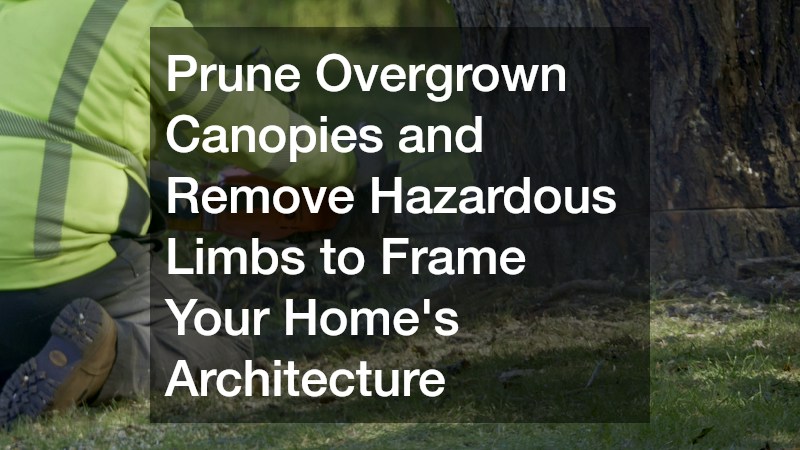
Mature trees are among the most valuable natural assets on a residential lot, often adding thousands of dollars to appraised value when properly cared for. However, unpruned canopies that swallow the front facade hide architectural details, block daylight from living rooms, and trap damp leaves against shingles and siding—accelerating moss and rot.
Strategic arboricultural care opens sightlines while protecting the structure:
- Crown thinning and canopy lifting: Removing crowded interior branches allows dappled sunlight to reach the lawn and frames the front porch and upper windows.
- Roof and utility clearance: Trimming limbs back six to ten feet from rooflines prevents wind abrasion and removes pathways for pests.
- Deadwood and stump removal: Eliminating declining trees before storms strike—and grinding leftover stumps below grade—removes hazards and reclaims lawn space.
Bringing in certified tree services equipped with proper rigging gear and arborist expertise ensures structural pruning cuts heal cleanly without topping or stressing specimen trees.
Layer Native Perennials, Fresh Mulch, and Low-Voltage Lighting for Year-Round Appeal
Once mature trees are framed, foundation plantings and garden beds bridge the transition between the ground and the house. Overgrown, boxy evergreens pressed against windows make homes feel dated and closed off. Replacing leggy shrubs with layered, four-season plantings creates depth and color without burdening future owners with heavy maintenance.
Follow proven landscape design principles to maximize visual return:
- Use the rule of three in bed depth: Anchor the back of beds with compact evergreen shrubs, layer mid-height flowering perennials in the center, and finish the front edge with low groundcovers or ornamental grasses.
- Choose climate-adapted native cultivars: Native plants establish deeper root systems, resist regional pests naturally, and need less watering once established.
- Integrate warm low-voltage LED lighting: Subtle path lights along walkways and soft uplighting on specimen trees and gables extend curb appeal into the evening while enhancing security.
Partnering with a knowledgeable local landscaping service allows you to match plant selections to your yard’s sun exposure and soil drainage, delivering seasonal color with minimal upkeep.
Strip Away Grime, Algae, and Oxidation from Siding, Decks, and Stonework
Over several seasons, airborne pollen, exhaust residue, algae streaks, and mildew dull exterior surfaces until a home looks a decade older than its true age. Many homeowners assume their siding needs repainting or their brick walkways are permanently stained, when a thorough wash restores brightness in one afternoon.
Matching the right cleaning method to each substrate prevents damage while maximizing results:
- Low-pressure soft washing for delicate surfaces: Vinyl siding, painted trim, stucco, and asphalt shingles should be cleaned with biodegradable surfactants and low-pressure rinsing so water is never forced behind laps or granules.
- Targeted pressure cleaning for hard masonry: Brick retaining walls, stone steps, concrete pool decks, and composite decking respond dramatically to calibrated power washing that lifts embedded grime without etching.
- Window and gutter brightening: Removing dark streaks from aluminum gutters and washing exterior windows floods interior rooms with natural light.
Completing exterior washing roughly one week before listing photography or appraisal appointments ensures porous masonry dries evenly and colors pop in daylight.
Clear Overgrown Brush and Edge Turf Lines for a Move-In-Ready First Impression
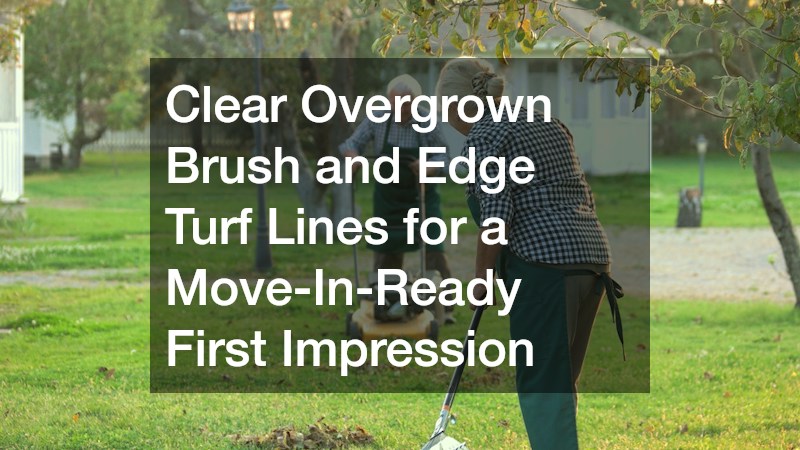
Even the finest roof, driveway, or patio loses impact if surrounded by ragged lawn edges, leaf-choked beds, and encroaching brush along fence lines. Visual clutter triggers subconscious doubts in buyers about how thoroughly the property has been maintained. Tight, manicured grounds signal effortless move-in readiness.
Focus on high-contrast finishing touches that sharpen every boundary across the lot:
- Deep spade-cut bed edging: Carving a crisp three-inch vertical trench between turfgrass and mulch beds creates a clean architectural line that holds mulch during rain.
- Fresh dark hardwood mulch: Applying a uniform two-inch layer of shredded bark mulch suppresses weeds, retains soil moisture, and provides rich contrast against foliage.
- Fence line clearing and gutter cleanout: Hauling away fallen limbs, trimming invasive vines off fences, and clearing downspouts ensures proper drainage and makes yard boundaries feel larger.
Scheduling a comprehensive seasonal yard clean up pulls every exterior upgrade together into a cohesive, turnkey presentation that commands immediate buyer confidence.
Approaching exterior renovations in a logical sequence protects your budget and prevents finished surfaces from being damaged during later work. Start at the top and work outward: address roof integrity, trim repairs, and wall finishes first so ladders and scaffolding never mar new hardscaping. Move next to driveways, walkways, and patios, allowing heavy equipment to operate freely before final grading. Finish with tree pruning, foundation planting, mulching, and surface washing so every element looks fresh and synchronized.
Before hiring any contractor, collect at least three itemized written estimates per trade, verify licensing and liability insurance, and review recent local project photos. Finally, organize paid invoices, material specifications, permit sign-offs, and transferable warranties into a dedicated home improvement folder. Presenting documented proof of professional exterior investments ensures appraisers and buyers recognize—and pay top dollar for—the lasting value you have built into your property.