
Homeownership comes with many responsibilities, and regular maintenance is one of the most important. While some household issues may appear minor at first, delaying necessary repairs can allow them to become more expensive, disruptive, and difficult to resolve. A small water stain on the ceiling, a slow drain, or an unusual sound from a heating system may signal a larger problem that requires attention.
Address Roof Damage Before It Gets Worse
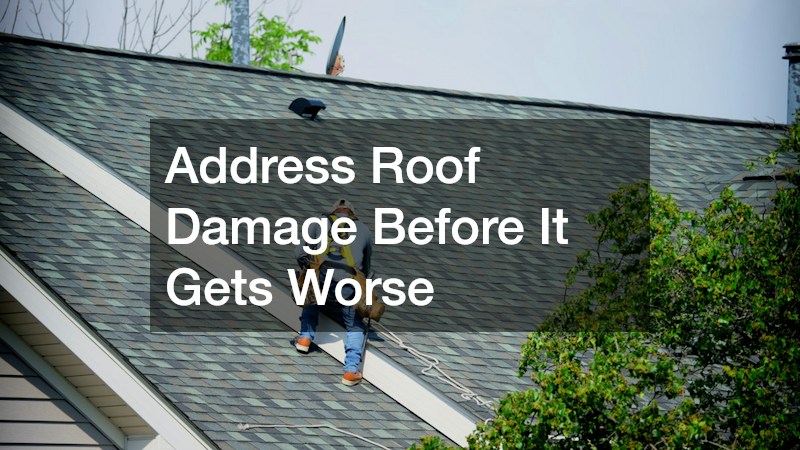
A home’s roof protects the structure from rain, snow, wind, sunlight, and other environmental conditions. Even minor damage can affect that protection and allow moisture to enter the home. Ignoring roof problems may lead to damaged insulation, deteriorating wood, mold growth, or interior water stains.
Common signs of roof damage include missing or cracked shingles, damaged flashing, sagging areas, and granules collecting in gutters. Homeowners may also notice leaks around ceilings, attics, skylights, or chimneys. In some cases, damage may not be visible from the ground, making periodic inspections important.
Roofing repairs can address issues such as damaged shingles, worn flashing, small leaks, and localized deterioration. Prompt attention may prevent a minor problem from spreading across a larger section of the roof. After severe weather, an inspection can help identify damage that may not be immediately obvious.
Water stains inside the home should not automatically be assumed to come from a plumbing issue. Roof leaks can allow moisture to travel along framing and appear in unexpected locations. Investigating the source promptly can help prevent additional damage.
Homeowners should also pay attention to the age and condition of the roof. Older roofing materials may become more vulnerable to weather exposure and repeated repairs. A professional inspection can help determine whether a repair is appropriate or whether broader work may be necessary.
Regular roof maintenance, including keeping gutters clear and trimming branches near the roofline, can also help reduce avoidable problems. Addressing damage early protects the home’s interior and helps preserve the roof’s service life.
Know When Your Roof Needs a Fresh Start
Although many roof problems can be repaired, some roofs eventually reach a point where replacement is the more practical option. Age, widespread deterioration, repeated leaks, and extensive storm damage may indicate that a roof is no longer providing dependable protection.
Frequent repairs can become costly when problems continue to return. A roof with widespread shingle damage, significant sagging, or deteriorated underlying materials may require more extensive attention than a simple patch. Moisture damage beneath the roofing material can also affect the structure and increase the scope of the project.
Roof replacements involve removing the existing roofing system and installing new materials. Depending on the home’s design, the project may include new underlayment, flashing, ventilation components, and shingles or another roofing material. The appropriate approach depends on the roof’s condition, local weather, and the home’s construction.
Homeowners should not rely solely on age to determine whether replacement is necessary. A well-maintained roof may perform differently from one that has experienced severe weather or inadequate ventilation. A professional evaluation can help determine the remaining service life and identify potential concerns.
When considering a replacement, compare material options based on durability, appearance, maintenance, and cost. Proper ventilation and installation are also important because they can affect the performance and longevity of the roofing system.
Replacing a deteriorated roof can help reduce recurring leaks, improve protection from the elements, and update the appearance of a home. Planning the project before a major failure occurs may also provide more flexibility in selecting materials and scheduling the work.
Keep Your Home Comfortable in Every Season
Heating and cooling systems play a major role in maintaining a comfortable indoor environment. When these systems begin to malfunction, homeowners may notice uneven temperatures, unusual sounds, rising energy bills, or poor airflow. Ignoring these signs can lead to reduced performance and potentially more serious equipment problems.
A system that struggles to maintain the desired temperature may have several possible causes. Dirty filters, blocked vents, faulty thermostats, refrigerant issues, and aging components can all affect performance. Some problems may be relatively simple, while others require specialized diagnosis.
A qualified HVAC company can assess the condition of heating and cooling equipment and identify potential concerns. Professional evaluations may include checking airflow, inspecting components, testing controls, and reviewing system performance.
Routine maintenance is also important. Replacing filters according to the manufacturer’s recommendations, keeping outdoor equipment clear of debris, and ensuring that vents are unobstructed can support normal operation. However, maintenance cannot prevent every failure, particularly in older systems.
Homeowners should pay attention to unusual smells, burning odors, repeated cycling, or unexplained changes in indoor comfort. A burning smell or other potential safety concern should be addressed promptly, and equipment should be shut down when appropriate.
Professional assistance can help homeowners determine whether a system needs maintenance, repair, or eventual replacement. Addressing problems early may improve reliability and reduce the likelihood of an unexpected breakdown during extreme temperatures.
Resolve Plumbing Problems Before They Escalate
Plumbing systems deliver clean water and remove wastewater throughout the home. When a plumbing component begins to fail, the resulting damage can spread quickly. Leaking pipes, dripping fixtures, low water pressure, and recurring clogs should not be dismissed as ordinary inconveniences.
Even a small leak can waste water and damage cabinets, flooring, walls, or ceilings. Hidden leaks may be particularly concerning because moisture can accumulate before the problem becomes visible. Over time, persistent dampness may contribute to mold growth or structural deterioration.
Homeowners should watch for signs such as water stains, musty odors, damp cabinets, unexplained increases in water usage, or sounds of running water when fixtures are turned off. These symptoms may indicate a leak that requires further investigation.
Plumbing companies can help diagnose and resolve a wide range of problems, including damaged pipes, leaking fixtures, clogged drains, and water pressure concerns. A professional may use specialized tools to locate hidden issues and determine the most appropriate repair.
It is also important to avoid relying on temporary fixes for recurring problems. Repeatedly using chemical drain cleaners, tightening fittings without identifying the cause of a leak, or covering water stains without correcting the source may allow the underlying issue to continue.
Prompt plumbing attention can help protect the home’s finishes and reduce the risk of more extensive water damage. Keeping an eye on unusual changes in water usage and addressing warning signs early can support a healthier, more reliable plumbing system.
Get Fast Help for Everyday Plumbing Issues
Some plumbing problems may seem small but can become disruptive when they are not addressed. A dripping faucet, slow drain, running toilet, or minor leak can waste water, damage nearby surfaces, or indicate a problem within the plumbing system.
A dripping faucet may be caused by a worn washer, damaged cartridge, or faulty valve. Although the issue may appear minor, ongoing dripping can waste water and contribute to mineral buildup around the fixture. A running toilet can also waste substantial amounts of water over time.
Slow drains may result from hair, grease, soap residue, or other buildup. While a basic blockage may sometimes be resolved with appropriate maintenance, recurring slow drainage can signal a deeper issue. Using excessive force or unsuitable chemicals may damage pipes or fixtures.
Local plumbing repair services can provide timely assistance when household plumbing issues interfere with everyday routines. A professional can evaluate the problem, identify its cause, and recommend a suitable solution rather than simply treating the visible symptom.
Homeowners should also be cautious of leaks beneath sinks, around washing machines, and near water heaters. These areas can experience water damage if fittings, hoses, or connections deteriorate.
Addressing minor plumbing problems early can help prevent more costly repairs later. Regularly checking fixtures, monitoring water usage, and seeking professional assistance when problems persist are practical ways to protect the home.
Identify and Address Hidden Water Leaks
Some of the most damaging plumbing problems occur out of sight. A leak beneath a concrete floor, behind a wall, or under a foundation can continue for an extended period before obvious signs appear. Hidden leaks may damage surrounding materials and contribute to higher water bills.
A slab leak occurs when a water line beneath or within a home’s concrete foundation develops a leak. Warning signs may include unexplained water usage, warm or damp areas on the floor, the sound of running water, cracks, or changes in water pressure. Not every symptom confirms a slab leak, so professional diagnosis is important.
A slab leak contractor can use specialized methods to help locate the source of a suspected leak while limiting unnecessary damage to the property. The appropriate repair depends on the location of the leak, the condition of the pipe, and the home’s construction.
Possible solutions may include accessing and repairing a damaged section of pipe, rerouting a water line, or replacing a deteriorated portion of the plumbing system. Each option has different costs, benefits, and installation requirements.
Homeowners should not ignore unexplained moisture, persistent water sounds, or sudden increases in water bills. Delaying an investigation may allow water to affect flooring, foundation areas, or other parts of the structure.
Professional evaluation is especially important when a suspected leak is beneath a concrete slab. Prompt attention can help limit water waste, reduce the risk of further damage, and clarify which repair approach is most appropriate.
Protect Your Home With Safe Electrical Solutions

Electrical systems provide power for lighting, appliances, heating and cooling equipment, and many other household functions. When electrical components malfunction, the problem can create serious safety risks. Flickering lights, buzzing outlets, frequent breaker trips, and burning odors should never be ignored.
A circuit breaker that trips occasionally may be responding to an overloaded circuit or a temporary issue. However, repeated trips can indicate faulty wiring, damaged equipment, or another electrical concern. Resetting the breaker repeatedly without investigating the cause may increase the risk of damage.
Warm outlets, scorch marks, sparks, and unusual smells require immediate attention. Homeowners should avoid using damaged outlets or electrical equipment and seek professional assistance. Electrical work involving wiring, panels, and other components should be performed by qualified professionals.
Electricians can inspect electrical systems, diagnose faults, replace damaged components, and install new fixtures or outlets. They can also help identify outdated wiring, overloaded circuits, and other conditions that may affect household safety.
Older homes may require additional evaluation because electrical systems can change significantly over time. Renovations, new appliances, and increased power demands may also create a need for updated circuits or improved electrical capacity.
Homeowners should avoid attempting complex electrical repairs without the necessary training and tools. Professional assistance can help reduce the risk of electrical shock, fire, and further property damage.
Addressing electrical warning signs promptly is one of the most important ways to protect the people and property inside a home.
Restore Reliable Heating and Cooling Performance
Heating and cooling problems can affect indoor comfort, air quality, and energy use. A system that produces unusual noises, cycles frequently, or fails to maintain the desired temperature may require professional attention.
Common warning signs include weak airflow, inconsistent room temperatures, unusual odors, water around indoor equipment, and unexpected increases in energy bills. These symptoms may result from dirty filters, blocked ducts, malfunctioning controls, refrigerant issues, or worn mechanical components.
HVAC repair services can help identify the cause of system problems and determine whether a component can be repaired or needs replacement. A qualified technician may inspect the system’s electrical connections, airflow, controls, and other components as appropriate.
Homeowners should not ignore equipment that repeatedly stops working or requires frequent resets. Recurring problems may indicate a deeper issue that could worsen if left unresolved. A professional evaluation can help determine the best course of action.
Regular maintenance can also support reliable operation. Filter replacement, equipment cleaning, and seasonal inspections may help identify developing problems before they become emergencies. However, maintenance requirements vary by system type and manufacturer.
When a heating or cooling system is older, homeowners may need to compare the cost of repeated repairs with the potential benefits of replacement. A professional can help explain the available options based on equipment condition, efficiency, and household needs.
Prompt attention to heating and cooling issues can help maintain a comfortable home and reduce the likelihood of an unexpected system failure.
Prevent Small Drainage Problems From Becoming Major Sewer Issues
A home’s sewer system carries wastewater away from sinks, toilets, showers, and other fixtures. When sewer lines become damaged or blocked, the resulting problems can affect multiple drains and create serious sanitation concerns.
Warning signs of sewer line trouble may include recurring backups, multiple slow drains, unpleasant odors, gurgling toilets, or wastewater returning through fixtures. A single clogged drain may have a simple cause, but problems affecting several fixtures at once may indicate a larger issue.
Sewer line repairs can address problems such as cracks, blockages, root intrusion, and damaged sections of pipe. The appropriate solution depends on the location and severity of the issue. Professionals may use inspection cameras to identify damage and determine where work is needed.
Tree roots can enter older or damaged sewer lines, while shifting soil, corrosion, and aging materials may also contribute to deterioration. Ignoring recurring backups can allow damage to worsen and increase the risk of wastewater entering the home.
Homeowners should avoid flushing unsuitable materials or pouring grease into drains. These habits can contribute to blockages and place additional strain on the drainage system.
If several drains begin backing up or wastewater appears where it should not, professional assistance should be sought promptly. Addressing sewer problems early may help reduce property damage, sanitation risks, and the expense of more extensive work.
Fix Leaks and Other Plumbing Problems at the Source
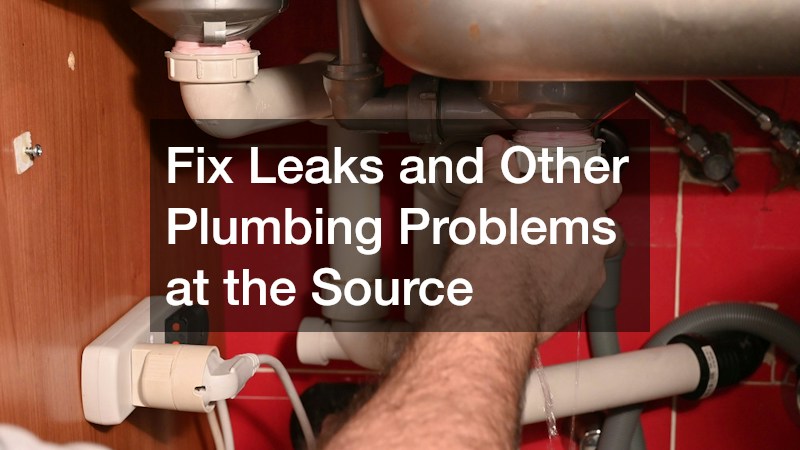
Plumbers handle many of the repairs that keep a home’s water supply and drainage systems functioning properly. While homeowners may be able to perform simple maintenance tasks, more complicated issues require professional evaluation and appropriate equipment.
Persistent leaks, low water pressure, damaged pipes, water heater problems, and recurring clogs should receive attention. A problem that appears isolated may sometimes be connected to a larger issue within the plumbing system.
Plumbers can investigate the source of leaks, repair or replace damaged components, clear blockages, and evaluate water-related equipment. Their work may involve visible fixtures as well as concealed pipes located behind walls, beneath floors, or in utility areas.
Homeowners should pay attention to changes in water temperature, unusual noises from pipes, discolored water, and unexplained moisture. These signs may indicate deterioration, sediment buildup, or another condition requiring investigation.
Water heaters deserve particular attention because leaks or equipment failures can cause substantial damage. Signs such as rust-colored water, unusual noises, insufficient hot water, or water around the tank should be evaluated promptly.
Professional plumbing assistance can help address the underlying cause rather than relying on temporary solutions. Prompt repairs may protect the home’s structure, conserve water, and help maintain reliable access to essential household services.
By addressing common home repairs promptly and planning maintenance carefully, homeowners can help preserve their property’s condition, improve daily comfort, and reduce the likelihood of unexpected problems. A proactive approach to home care can provide peace of mind and support the long-term value of the home.