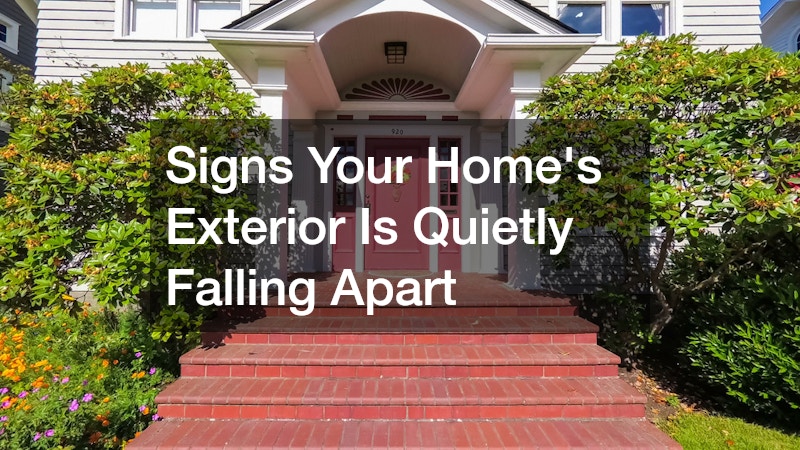

A home rarely collapses overnight. Instead, small warning signs build up quietly over months or years until suddenly you’re facing a repair bill that could have been avoided. Learning to spot these early clues on your roof, siding, driveway, and outdoor systems can save you thousands of dollars and protect your family’s safety. This guide walks through the most common areas where exteriors deteriorate unnoticed, and what to do before minor issues become major ones.
Cracked Shingles and Sagging Rooflines
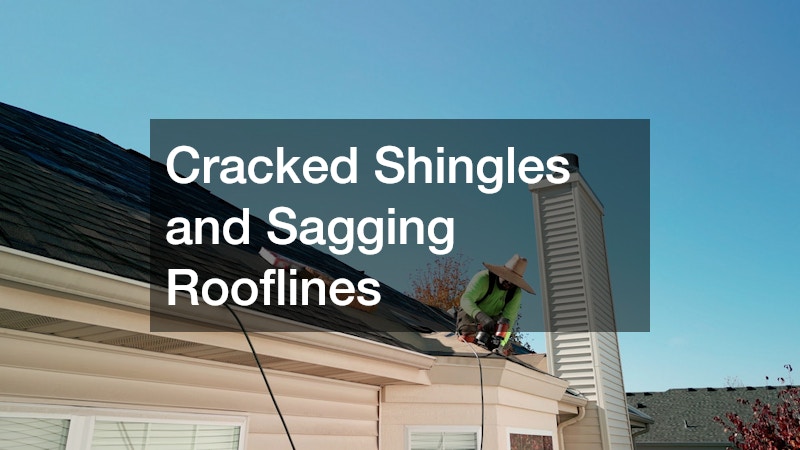
Your roof takes the brunt of sun, wind, rain, and snow all year, so it often shows distress signals long before a leak appears inside your house. Curling, cracked, or missing shingles are early indicators that the protective barrier over your home is breaking down. A sagging ridge line or dips in the roof plane can point to structural issues with the decking or trusses underneath.
If you notice granules collecting in your gutters or on the ground after a storm, your shingles are shedding their protective coating faster than they should. Getting a professional opinion matters here, since what looks like cosmetic wear can sometimes mean deeper water intrusion. Many roofing contractors offer free inspections and can spot trouble spots from the ground or with a drone before climbing up becomes necessary.
- Dark streaks or moss patches signal trapped moisture
- Flashing that looks bent or lifted around chimneys and vents
- Daylight visible through the attic boards
- Shingle edges that curl upward instead of lying flat
Clogged or Sagging Gutter Systems
Gutters are easy to ignore until water starts pooling where it shouldn’t. When gutters pull away from the fascia board or sag in the middle, it usually means they’re overloaded with debris or the hangers have rusted through. This excess weight strains the entire system and can pull siding or trim away from the house as well.
Overflowing gutters send water cascading down your foundation walls instead of away from them, which over time erodes soil and invites basement moisture problems. A qualified gutter installer can recommend guards or a full system replacement sized correctly for your roof’s water volume. Catching this early is far cheaper than repairing foundation cracks caused by years of runoff.
- Water marks or streaking on exterior siding below gutter lines
- Plants growing out of the gutter channel
- Pooling water near the foundation after rain
- Gutters visibly pulling away from the roofline
Warped, Cracked, or Fading Siding Panels
Siding is your home’s first line of defense against wind and moisture, and subtle changes in its appearance often mean something is happening underneath. Warping or bubbling usually points to trapped water, while persistent fading in one area can mean the material has lost its protective coating. Small cracks might seem harmless, but they let water sneak behind panels where it can rot sheathing unnoticed.
Soft spots when you press on the siding, especially near the bottom of the wall, are a strong sign of rot that needs immediate attention. Experienced siding installers can identify whether a section needs patching or if the whole wall requires a fresh vapor barrier and new material. Ignoring these warning signs for too long often leads to mold growth that spreads into interior walls.
- Peeling paint that keeps returning after repainting
- Visible gaps or seams between panels
- A hollow or spongy sound when tapped
- Insects like carpenter ants nesting in soft wood
Uneven or Crumbling Driveways and Walkways
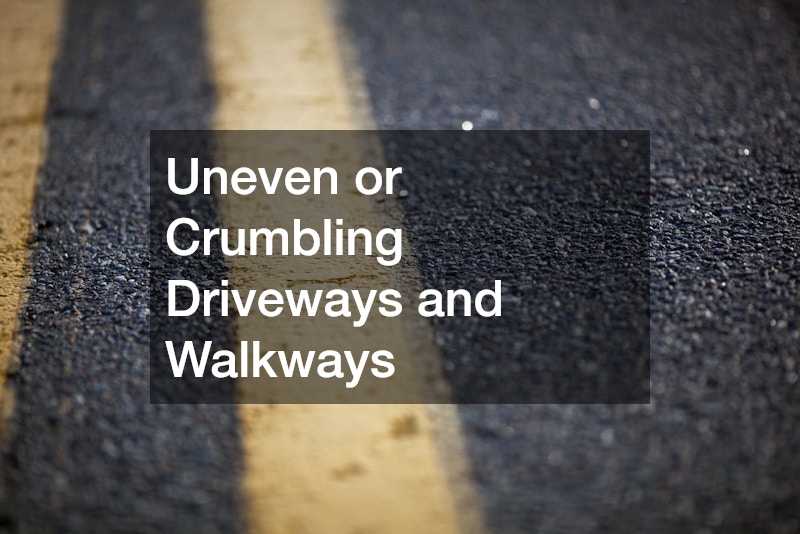
Concrete and asphalt surfaces expand and contract with temperature swings, and over years this creates cracks that widen if left untreated. Uneven slabs are more than a cosmetic issue since they create tripping hazards and allow water to seep underneath, accelerating the damage. If you’ve invested in decorative surfaces like stamped concrete for your patio or entryway, sealing cracks quickly is essential to prevent the pattern from lifting or discoloring unevenly.
Potholes, alligator cracking, or sunken sections usually mean the base material underneath has shifted or washed out. Reputable paving contractors can evaluate whether a simple patch will hold or if the surface needs full replacement down to the gravel base. Addressing this early keeps water from working its way under the slab and causing frost heave damage in colder climates.
- Cracks wider than a quarter inch
- Standing water in low spots after rain
- Crumbling edges along the driveway border
- Noticeable settling near where the driveway meets the garage
Foundation Cracks and Drainage Problems
Hairline cracks in a foundation wall are common and usually not urgent, but cracks that widen, run diagonally, or let water seep through are a different story. Poor grading around your home pushes water toward the foundation instead of away from it, slowly undermining the soil that supports your house. If you notice doors and windows sticking or a persistent musty smell in the basement, these issues often trace back to drainage problems outside.
Correcting the slope of your yard or installing a proper drainage system sometimes requires bringing in an excavating contractor to regrade the soil or install French drains around the perimeter. This kind of work looks invasive, but it addresses the root cause rather than masking symptoms with a patch job. Waiting too long can mean the difference between a simple grading fix and a costly structural repair.
- Cracks that have grown wider over a few months
- Efflorescence, a white chalky residue, on basement walls
- Soil pulling away from the foundation edge
- Water stains on interior basement walls after storms
Aging Garage Doors and Worn Hardware
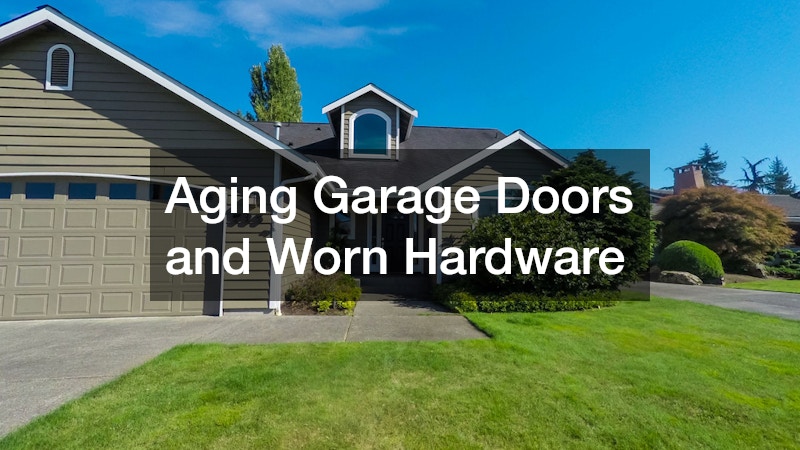
Garage doors get used dozens of times a week, and the wear shows up gradually in ways homeowners often dismiss as minor annoyances. Grinding noises, uneven movement, or a door that struggles to close all the way can mean the springs, rollers, or track alignment are failing. Most torsion springs are rated for around 10,000 cycles, roughly seven to ten years of average use, so a door that’s approaching that age deserves closer attention even if it still seems to work fine.
A door that looks fine but suddenly feels heavier to lift manually is a sign the counterbalance system is losing tension. You can test this safely by disconnecting the opener and lifting the door by hand: it should move smoothly and stay put at about waist height. If it slams down or feels like dead weight, the springs are likely worn and need professional replacement, since these parts are under high tension and dangerous to handle without the right tools.
Worn hardware deserves just as much attention as the door panels themselves. Rusted hinges, stripped rollers, or a bent track can throw the whole system out of alignment, causing the door to bind, jerk, or wear unevenly on one side. Cracked or brittle weatherstripping along the bottom edge is another overlooked culprit, letting in drafts, moisture, and pests while making the garage work harder to stay temperature-stable.
Even the exterior finish matters more than it seems. Peeling paint, warped panels, or rust spots not only hurt curb appeal but can signal moisture getting into the door’s core, especially on older wood or composite models. Left unaddressed, that moisture intrusion can lead to sagging panels or structural failure that costs far more to fix than a fresh coat of paint or a simple hardware tune-up.
Because garage doors are one of the largest moving parts on your home’s exterior, a malfunction can pose real safety risks, especially if there are children or pets around. Warning signs are often easy to overlook: a door that slams shut instead of closing smoothly, visible rust or fraying on the cables, or an opener that hesitates before responding. Even small issues, like a slightly bent track or a worn weatherstrip, can throw the whole system off balance over time.
A trusted local garage door company can inspect the springs, cables, and opener sensors to catch wear before a full breakdown happens. Torsion springs, for example, typically last around 10,000 open-and-close cycles, roughly 7 to 12 years of average use, and they rarely give much warning before snapping. Cables and rollers wear down faster in homes with frequent daily use, so an annual inspection is worth the modest cost compared to an emergency repair or a door that fails while it’s open.
Regular lubrication and alignment checks extend the life of the entire system significantly. A silicone-based lubricant applied to hinges, rollers, and tracks every few months prevents metal-on-metal grinding that accelerates wear. Keeping the sensors properly aligned also ensures the auto-reverse safety feature works as intended, which is a small detail that matters enormously if a child or pet happens to be underneath the door when it closes.
- Visible rust or fraying on lift cables — a snapped cable can cause the door to slam down without warning
- Door reversing unexpectedly when closing, often signaling misaligned safety sensors or a failing limit switch
- Gaps at the bottom seal letting in drafts, pests, or even rainwater; replacement seals typically cost under $30 but restore energy efficiency fast
- Panels that look dented or warped from impact, which can throw off the door’s balance and strain the opener
- Grinding, squeaking, or popping noises during operation, usually pointing to worn rollers or dry hinges needing lubrication
- Slow response time or hesitation when opening, which may indicate a weakening spring nearing the end of its lifespan
Outdoor Electrical Fixtures and Exposed Wiring
Outdoor lighting, outlets, and wiring face constant exposure to moisture and temperature changes, which speeds up wear compared to indoor electrical systems. Flickering porch lights, outlets that no longer trip properly, or exposed wire insulation are signs the system needs attention before it becomes a fire hazard. Corrosion inside outdoor outlet covers is another subtle clue that moisture has been getting in over time.
Since electrical issues outside the home often connect back to the main panel, it’s worth having local electricians check ground fault protection on all exterior circuits during a routine inspection. This is especially important if your home has older wiring that predates modern weatherproofing standards. Fixing small electrical issues now prevents the kind of damage that can affect an entire circuit later.
- Buzzing sounds from outdoor light fixtures
- Discolored or melted outlet covers
- Breakers that trip repeatedly when outdoor lights are used
- Missing or cracked weatherproof covers on exterior outlets
Outbuildings and Detached Structures Showing Wear
Detached structures like sheds, workshops, and pole barns often get less attention than the main house, even though they face the same weather exposure. Sagging rooflines, rusted metal panels, or doors that no longer close square are early signs the structure’s frame is shifting. Because these buildings are frequently used for storage or equipment, structural failure can put valuable items at risk.
If you’re noticing consistent settling or water pooling around the base of an outbuilding, it may be time to consult a pole barn company about reinforcing the foundation or improving drainage around the perimeter. Many of these structures were built with minimal footings, which makes them more vulnerable to shifting soil over time. A proactive inspection every few years keeps small structural movements from turning into major repairs.
- Visible gaps between wall panels and the frame
- Rust spreading along seams or fasteners
- Doors that drag or no longer latch properly
- Standing water or erosion near the base
HVAC Components Exposed to the Elements

Outdoor HVAC units work hard year-round, and their exposure to rain, leaves, and temperature extremes means components wear out faster than most homeowners expect. A unit that cycles on and off frequently, makes unusual noises, or struggles to keep up with the thermostat setting may be losing efficiency due to worn parts or blocked airflow. Rust on the outdoor unit’s casing or bent fins are visible signs that the equipment has been neglected.
Scheduling regular maintenance with a qualified HVAC company helps catch refrigerant leaks, worn belts, or electrical connections before they cause a full system failure during the hottest or coldest part of the year. Keeping the area around the unit clear of debris and vegetation also improves airflow and extends its lifespan. A well-maintained system not only performs better but also uses less energy, which shows up as savings on monthly utility bills.
- Ice buildup on the unit during winter months
- Reduced airflow from vents throughout the house
- Rising energy bills without a change in usage habits
- Visible corrosion on the outdoor condenser coils
Most exterior problems start small and quiet, which is exactly why they’re so easy to overlook until repair costs climb. Walking your property every season with this list in mind can help you catch trouble early, whether it’s a sagging gutter, a cracked driveway, or a garage door that’s lost its balance. When something looks questionable, getting a professional opinion is almost always cheaper than waiting for the problem to announce itself. Taking these small steps now protects both your home’s value and your peace of mind for years to come.