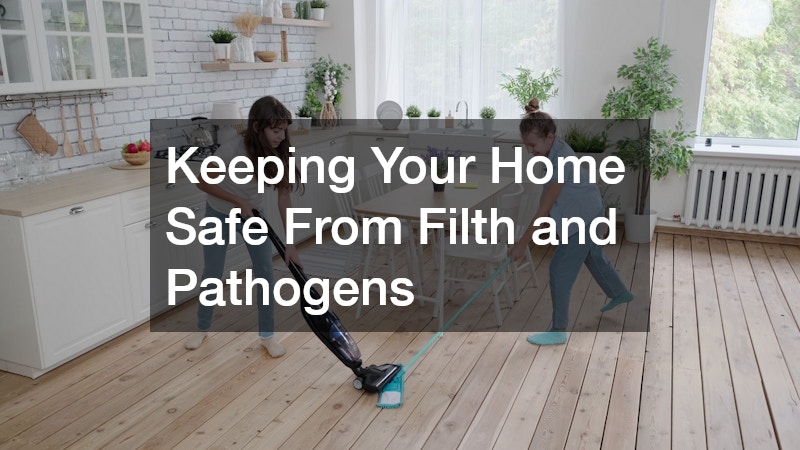

Your home is meant to be a safe haven—a place to relax, unwind, and protect your family from the stresses of the outside world. However, beneath the surface of seemingly tidy rooms lies a invisible universe of bio-contaminants. Bacteria, mold spores, allergen accumulation, and pest-borne pathogens thrive in ordinary household environments, often quietly multiplying without a single obvious warning sign.
While most homeowners dedicate time to surface-level chores like dusting shelves, vacuuming carpets, and wiping down kitchen counters, standard cosmetic cleaning is rarely enough to protect a household from actual health hazards. True domestic hygiene goes far deeper than a sparkling kitchen counter. Microscopic invaders settle into dark HVAC shafts, stagnant drainage traps, saturated structural timber, and unsealed wall cavities. Left unaddressed, these issues degrade indoor air quality, trigger chronic respiratory conditions, and set the stage for costly structural damage. To build a truly resilient living space, you need a proactive, system-by-system maintenance approach. By addressing your home’s air, water, roof, structural envelope, and pest defenses, you can systematically eliminate pathogens at their source and safeguard your family’s long-term health.
Purifying Your Indoor Air: Eliminating Airborne Bio-Contaminants
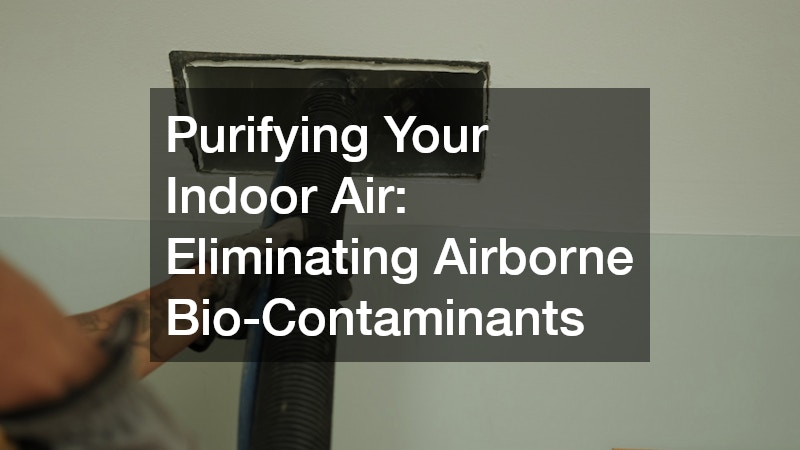
The air circulating through your home carries far more than just ambient temperature—it is a delivery network for everything floating in your living space. Dust mites, microscopic fungal spores, pet dander, volatile organic compounds, and airborne bacteria constantly recirculate through your ductwork. Over time, these microscopic particles accumulate inside your mechanical ventilation systems, creating an ideal breeding ground for biological pathogens that are pushed into your bedrooms and living spaces every time the thermostat calls for air.
Maintaining healthy indoor air requires a combination of routine DIY upkeep and specialized mechanical care. A strong defense begins right at the air intake:
- Upgrade to high-efficiency filtration: Standard fiberglass filters only capture large particles like lint and hair. Upgrading to pleated filters with a MERV 13 rating allows your system to catch bacteria, smog, and fine carrier particles carrying viruses.
- Establish a strict replacement schedule: Check filters monthly and replace them at least every 60 to 90 days. Homes with multiple pets, residents with asthma, or recent interior renovation work require even more frequent changes to prevent static pressure buildup.
- Monitor return vents for moisture and debris: Inspect cold air returns for signs of dark spots or dampness. Moisture inside return ducts creates an immediate risk for microbial amplification, spreading fungal particles across every room in the building.
- Clean condensate drain lines: Your central cooling system extracts gallons of water from the air daily. Flush the condensate drain line with vinegar or warm water periodically to prevent algae and bacterial sludge from clogging the drain line and backing up into the unit.
Filter changes alone cannot always undo years of settled debris trapped deep inside structural air pathways. When biological growth or thick layers of dust settle along the internal walls of your ventilation grid, standard air movement continuously dislodges fine contaminants into your living area. Investing in professional air duct cleaning services ensures that heavy accumulations of bio-load, construction dust, and hidden allergens are thoroughly scrubbed out using negative pressure and specialized brushes.
Furthermore, keeping the mechanical components of your system operating efficiently is critical to preventing indoor humidity issues. Excess humidity—anything over 50 percent indoors—causes rapid mold proliferation. Partnering with a trusted ac company allows you to schedule annual preventive maintenance on your cooling coils, blower motors, and drainage pans. A well-maintained system properly dehumidifies your air while keeping internal components free from the organic buildup that fuels microbial growth.
Water, Drains, and Bacteria: Guarding Your Plumbing Systems
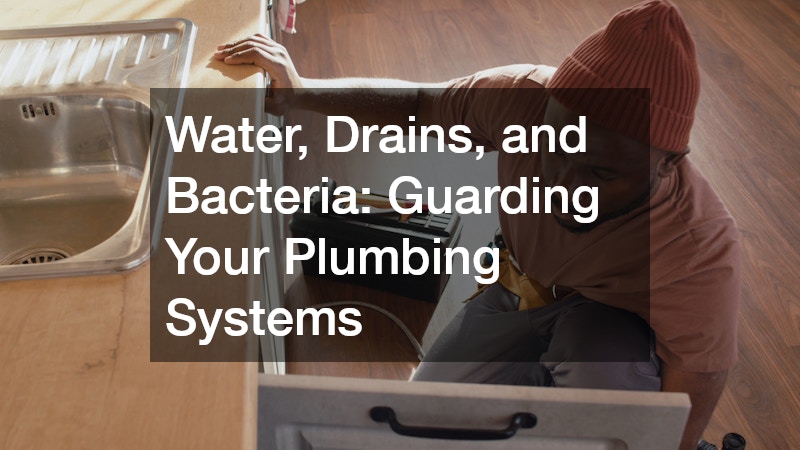
While air carries light contaminants, water is the primary medium through which dangerous biological organisms grow and spread. Your home’s plumbing network is designed to bring fresh water in and take liquid waste away, but aging pipes, slow drainage, and stagnant traps can quickly turn that process upside down. Inside drains, organic debris like grease, soap scum, hair, and food particles combine to form sticky matrices known as biofilms. These biofilms serve as thriving colonies for pathogens, including E. coli, Legionella, and various forms of household bacteria.
Preventing plumbing lines from becoming pathogen hot spots requires proactive maintenance of every drain fixture in your house:
- Perform routine biological flushes: Avoid harsh chemical drain cleaners that damage pipes and instead use hot water combined with enzymatic drain treatments once a month. Enzymes break down organic sludge without harming your plumbing infrastructure.
- Maintain water seals in P-traps: Sinks, showers, and floor drains that are rarely used can suffer from evaporated water seals. When the water in a P-trap dries up, sewer gases and aerosolized bacteria flow straight up out of the pipe and into your indoor living spaces. Run water down unused drains for 30 seconds every week.
- Clean pop-up stoppers and strainers: Hair and organic matter collect around sink stoppers, forming a dark, damp rim where bacteria multiply. Pull these fixtures out regularly to scrub them with an antimicrobial cleaner.
- Address slow-draining fixtures immediately: Standing water in a basin is an active biological hazard. Water that sits for hours allows bacteria to multiply rapidly at room temperature right where you wash your hands and dishes.
When routine maintenance fails to keep water flowing smoothly, deeper obstructions inside your main waste line may be at fault. Tree root intrusion, grease buildup, and pipe sagging cause waste to pool hidden beneath your floors. Scheduling professional drain cleaning removes stubborn clogs deep in your system before they cause raw sewage to back up into your tubs and sinks.
When facing complex pipe failures, low water pressure, or mysterious leaks hidden behind drywall, attempting complex DIY fixes can worsen the damage. Engaging a licensed plumbing company ensures that leaks are repaired to code, backflow preventers are tested, and waste lines are correctly vented. Proper pressure balancing and swift pipe repairs prevent hidden moisture leaks that rot floor joists and feed toxic microbial colonies behind your walls.
Stopping Moisture at the Source: Protecting Roofs and Attics
The exterior shell of your home is its first line of defense against environmental pathogens, moisture, and decaying matter. Your roof, in particular, endures constant thermal stress, heavy rain, wind, and UV exposure. When a roof’s structural integrity is compromised, water sneaks past outer barriers, trickling into attic insulation, ceiling drywall, and wall cavities. Damp insulation loses its R-value and turns into a perfect incubator for wood-rotting fungi and toxic micro-organisms long before a damp spot ever appears on your living room ceiling.
Protecting your attic and upper structure demands a dedicated approach to external moisture control:
- Conduct bi-annual roof inspections: Inspect your roof every spring and fall from the ground with binoculars, or safely from a ladder. Look for cracked, curled, or missing shingles, as well as lifting metal flashing around chimneys and vent stacks.
- Keep gutter networks clear and functional: Overflowing gutters force rainwater back up under the lower edge of your roof deck, rotting the fascia boards and allowing water to penetrate the eaves. Ensure downspouts extend at least five feet away from your foundation.
- Verify proper attic ventilation: Mold thrives in stagnant, humid environments. Ensure soffit, ridge, and gable vents remain unblocked by insulation so continuous airflow can carry warm, moist air out of the attic space.
- Inspect attic space during heavy rain: Put on a mask and climb into your attic space periodically during heavy downpours. Look for damp rafters, wet insulation, or localized discoloration on the underside of the roof decking.
Catching subtle signs of exterior wear early is the best way to prevent catastrophic structural rot. Seeking timely local roof repair allows you to seal vulnerable flashing points, replace compromised underlayment, and stop small leaks before water saturates internal building materials.
For aging roofs or widespread storm damage, partial fixes are often insufficient to protect the structure below. Working with a qualified roofing contractor provides a comprehensive assessment of your entire roofing system, from decking integrity to proper drip-edge installation. A properly installed and ventilated roof keeps the upper envelope of your home bone-dry, eliminating the elevated moisture levels that biological hazards need to survive.
Disaster Recovery: Managing Major Water Intrusion and Mold
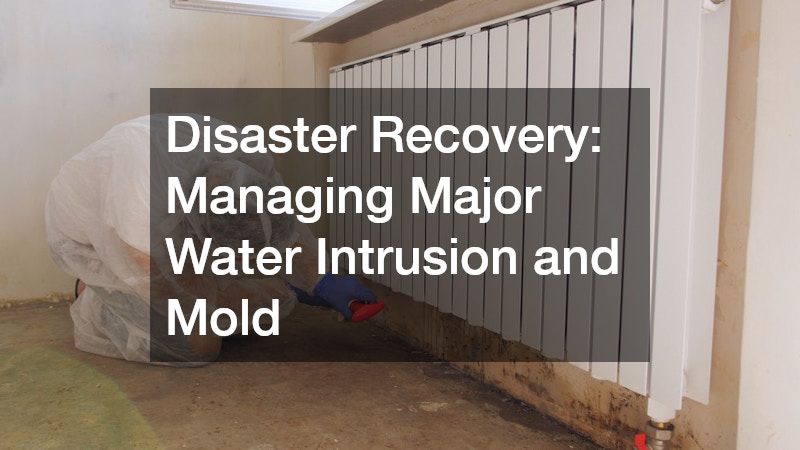
Despite best preventive efforts, plumbing bursts, severe weather, and appliance failures can cause sudden, heavy indoor flooding. When large volumes of water enter a home, a ticking clock begins. Mold spores are naturally present everywhere in ambient air, but they remain harmless until they find moisture. Once building materials like drywall, carpet padding, subflooring, and trim become saturated, dormant spores germinate within 24 to 48 hours, spreading rapidly across surfaces and into air cavities.
When sudden water intrusion strikes your home, taking immediate, deliberate action can make the difference between a simple drying job and a major environmental contamination issue:
- Shut off the main water source instantly: Locate and label your home’s main water shutoff valve today so every adult in your household can turn it off during a plumbing emergency.
- Extract standing liquid rapidly: Remove pooling water immediately using wet-dry vacuums or submersible pumps. The faster liquid is removed, the less water travels upward into dry wallboard through capillary action.
- Discard saturated porous items: Materials like ceiling tiles, cheap carpet padding, and unsealed insulation cannot be fully sanitized once saturated with contaminated water. Strip them out quickly to help the underlying structure dry.
- Promote aggressive air movement: Set up heavy-duty air movers and commercial dehumidifiers to drop relative humidity levels below 50 percent, drying out structural framing studs as quickly as possible.
When dealing with large-scale flooding or Category 2 and 3 water—such as washing machine overflows or sewage backups—DIY cleanup efforts fall short. Category 2 and 3 water contains heavy loads of parasites, bacteria, and chemical residues. Engaging specialized water damage restoration technicians ensures that standing water is thoroughly extracted with industrial equipment, structural materials are monitored with moisture meters, and hidden wet pockets behind walls are properly dried.
If water sits undetected for days, simple drying is no longer enough—fungal growth takes root. Toxigenic species like Stachybotrys chartarum release micro-toxins and millions of microscopic spores when disturbed, posing severe risks to human health. In these scenarios, certified mold remediation specialists must step in. Professionals use negative air pressure containment, HEPA filtration scrubbers, and specialized EPA-registered antimicrobials to safely remove fungal growth without contaminating the rest of the home.
Defense Against Pests: Eradicating Disease Vectors
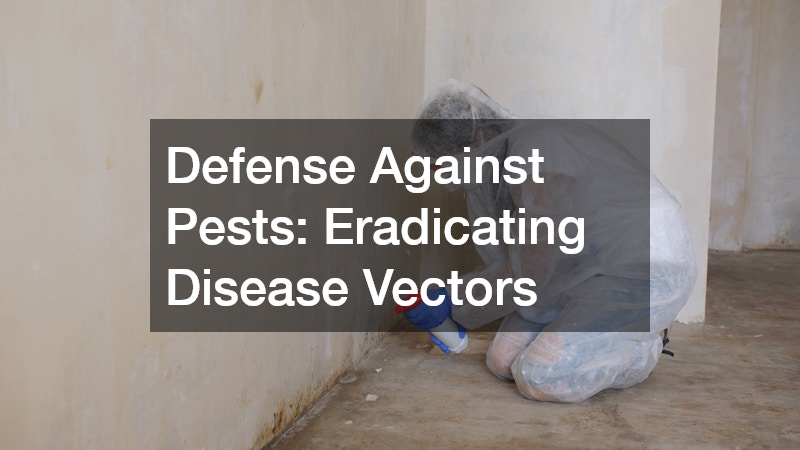
While moisture and airborne particles represent invisible threats, pests are mobile vectors that actively carry dangerous pathogens straight into your living quarters. Rodents, cockroaches, flies, and pest insects do not just cause physical damage—they shed skin, drop feces, spread saliva, and carry mechanical bacteria on their feet. Mice and rats carry hantavirus, Salmonella, and leptospirosis, while cockroach droppings and shed exoskeletons are known primary triggers for severe childhood asthma attacks.
Securing your home against pest intrusion requires an aggressive strategy focused on exclusion, sanitation, and habitat elimination:
- Seal building entry points: Inspect your home’s exterior foundation, soffits, and utility penetrations. Fill gaps, cracks, and holes larger than a quarter-inch using a combination of steel wool and silicone-based sealant that pests cannot chew through.
- Eliminate accessible food sources: Store dry pantry goods, dog food, and birdseed in heavy-duty plastic or glass containers with airtight lids. Never leave pet food bowls sitting filled overnight.
- Manage trash and organic waste: Keep kitchen trash in covered, sealable bins and empty them daily. Wash outdoor trash cans regularly to remove sticky residues that attract flies, wasps, and rodents.
- Maintain perimeter landscaping: Trim tree branches and shrubs so they sit at least six feet away from your roofline and exterior walls. Overhanging branches act as natural bridges for roof rats, squirrels, and ants seeking indoor entry.
When pests establish colonies inside your walls, attics, or crawl spaces, standard store-bought traps and spray canisters rarely solve the root problem. Spraying retail chemicals can scatter colonies deeper into structural cavities, making the infestation harder to track and eradicate.
Overcoming a stubborn pest problem requires systematic intervention. Hiring a licensed exterminator allows for targeted, professional-grade treatments that disrupt pest breeding cycles without exposing your family to unnecessary chemical risks.
For long-term peace of mind, one-off treatments should be integrated into a broader protective framework. Ongoing pest control services provide continuous monitoring, perimeter barrier applications, and routine structural inspections. By maintaining a strong defense around your home’s exterior, you stop disease-carrying pests before they ever step foot inside your living spaces.
A safe, healthy home is not created overnight through a single deep-cleaning session. Instead, it is the result of continuous, systematic maintenance that targets hidden threats at their root. By taking care of your air distribution, keeping your drainage pathways clear, protecting your roof from leaks, responding aggressively to water intrusion, and keeping pests outside where they belong, you build an environment where filth and dangerous pathogens cannot thrive.
Take time this week to inspect your home’s key systems. Look at your air filters, check under your sinks, scan your roofline, and inspect your outdoor foundation. Identifying and addressing minor vulnerabilities today prevents major health risks and costly repairs tomorrow, giving you total confidence in the safety, cleanliness, and comfort of your home.