
Asphalt has long been a cornerstone of modern infrastructure, supporting transportation networks, commercial developments, and residential communities around the world. Its widespread use is not accidental; asphalt consistently demonstrates a balance of strength, flexibility, and cost efficiency that few other materials can match. From highways and airport runways to parking lots and neighborhood streets, asphalt’s proven reliability and versatile performance make it an essential material in construction and maintenance.
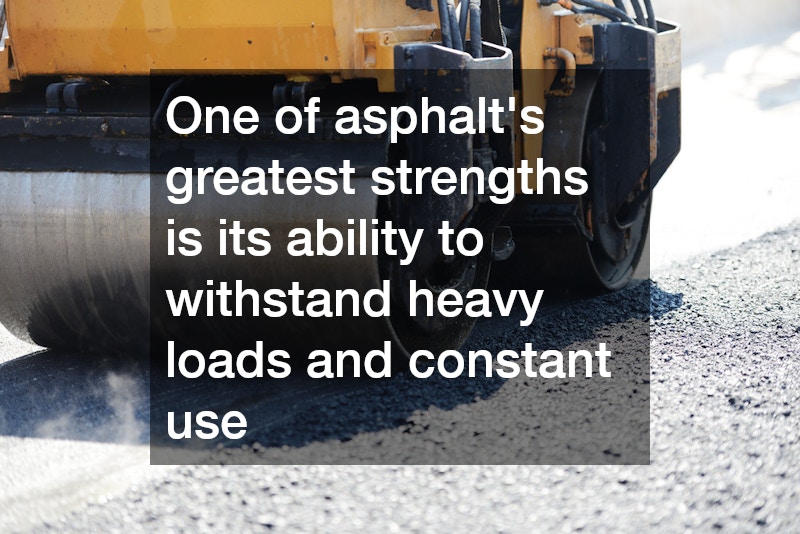
One of asphalt’s greatest strengths is its ability to withstand heavy loads and constant use. Roads are subjected to enormous stress from traffic, weather, and time, yet asphalt surfaces are engineered to absorb and distribute these forces effectively.
In modern infrastructure systems, asphalt paving plays a critical role by providing smooth, durable surfaces that can handle everything from daily commuter traffic to heavy commercial vehicles. Its flexibility allows it to adapt to minor ground movements and temperature changes without cracking as easily as more rigid materials.
Durability does not mean inflexibility, however. Asphalt’s unique composition allows it to expand and contract with temperature fluctuations, which is especially important in regions that experience seasonal extremes. This adaptability reduces the likelihood of major structural failures and helps extend the lifespan of paved surfaces. When properly designed and maintained, asphalt roads can last for decades while maintaining performance and safety standards.
Another key advantage of asphalt is its versatility in design and application. It can be customized to meet specific project requirements, whether the goal is noise reduction, improved skid resistance, or enhanced drainage. Specialized asphalt mixes are available for different climates and traffic demands, allowing engineers to tailor solutions for urban streets, rural roads, or industrial facilities. This adaptability ensures consistent performance across a wide range of environments.
Cost efficiency is also a major factor behind asphalt’s popularity. Compared to many alternative materials, asphalt is relatively affordable to install and maintain. Construction projects using asphalt can often be completed more quickly, minimizing disruptions to traffic and surrounding communities. Faster installation not only reduces labor costs but also allows roads and facilities to return to service sooner, which is especially valuable in high-traffic areas.
Maintenance is another area where asphalt excels. Unlike some surfaces that require extensive repairs when damaged, asphalt can often be restored through resurfacing or patching. These targeted repairs help preserve the integrity of the pavement without the need for full replacement. For municipalities and private property owners alike, asphalt paving offers a practical solution that balances performance with long-term budget considerations.
Sustainability has become increasingly important in construction, and asphalt continues to evolve to meet modern environmental standards. Asphalt is one of the most recycled materials in the world, with reclaimed asphalt pavement frequently reused in new projects. This recycling process reduces the need for raw materials, lowers energy consumption, and minimizes waste. Advances in warm-mix asphalt technology further enhance sustainability by reducing emissions during production and installation.
Safety is another critical aspect of asphalt’s performance. Smooth asphalt surfaces improve vehicle handling and reduce wear on tires, contributing to safer driving conditions. The material’s ability to provide good traction, even in wet conditions, helps reduce the risk of accidents. Additionally, asphalt’s dark color improves visibility of road markings, making it easier for drivers to navigate lanes and intersections.
Beyond roadways, asphalt is widely used in a variety of non-transportation applications. It serves as a reliable surface for parking areas, sports courts, and recreational paths. Its clean appearance, ease of repair, and adaptability make it suitable for both functional and aesthetic purposes. Property owners often appreciate asphalt’s ability to deliver a polished, professional look while remaining practical and durable.
Innovation continues to push asphalt technology forward. Researchers and engineers are developing improved binders, additives, and construction techniques that enhance performance and longevity. These advancements help asphalt remain competitive in an industry that demands higher standards for durability, sustainability, and efficiency. As infrastructure needs grow and evolve, asphalt remains well-positioned to meet those challenges.
Asphalt’s enduring popularity is rooted in its proven reliability and versatile performance. It offers durability under heavy use, adaptability to changing conditions, and cost-effective maintenance over time. When engineered correctly, asphalt paving delivers long-lasting value for communities, businesses, and transportation systems alike. As technology advances and sustainability initiatives expand, asphalt will continue to be a trusted material shaping the built environment for generations to come.
As urban areas expand and infrastructure demands increase, asphalt remains a dependable choice for planners and engineers. Its ability to be upgraded, resurfaced, and adapted without complete reconstruction supports long-term infrastructure planning while reducing disruption to communities that rely on consistent, accessible transportation networks.
Equally important is asphalt’s contribution to economic growth. Reliable roads and surfaces support commerce, logistics, and daily travel, helping goods and services move efficiently. By delivering consistent performance with manageable costs, asphalt enables cities and businesses to invest confidently in infrastructure that supports productivity and long-term development.