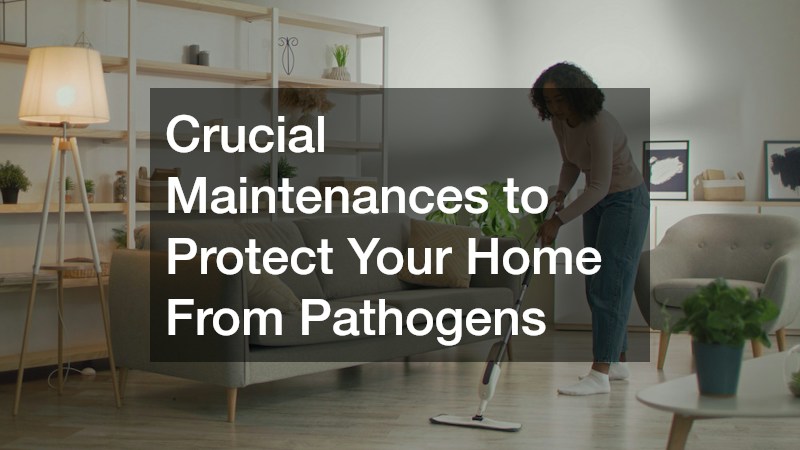

We often think of our home as an impenetrable fortress, a personal sanctuary where we can lock the doors, close the windows, and safely shut out the chaotic, hazardous world outside. However, the reality of household health is far more complex. While our walls provide excellent shelter from weather and visible intruders, they are entirely permeable to a microscopic world. Unseen threats like bacteria, viruses, and airborne fungi can easily breach this safe haven if the physical structure of the home is not properly and consistently maintained.
The direct link between deferred home maintenance and increased human sickness is well-documented but frequently overlooked. When we ignore minor structural issues, we inadvertently create the perfect microclimates for microscopic invaders to thrive and multiply. A tiny gap in the foundation, a slow drip beneath a bathroom vanity, or a neglected ventilation system can rapidly transform a healthy living space into a breeding ground for pathogens, leading to chronic respiratory issues, persistent allergies, and severe bacterial infections. Proactive, targeted home maintenance is the most effective first line of defense in minimizing your family’s exposure to these illness-causing microorganisms. By shifting our perspective from reactive repairs to preventative health-focused upkeep, we can actively cultivate a living environment that supports our immune systems rather than burdening them.
Eliminate Moisture Sources to Prevent Fungal and Bacterial Growth
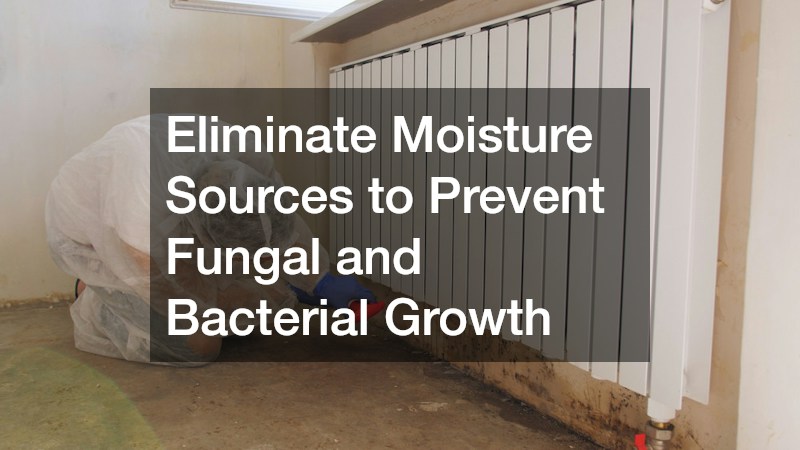
Of all the environmental factors that encourage the proliferation of domestic pathogens, moisture is undoubtedly the most dangerous. Microorganisms require water to survive, reproduce, and colonize. By strictly controlling the moisture levels inside your living spaces, you effectively starve these unwanted biological guests.
The building envelope—comprising your roof, foundation, walls, windows, and doors—is your home’s primary physical barrier against the outside world. When this barrier degrades, moisture and the microscopic fungal spores traveling with it are granted free entry.
- Walk the perimeter of your home at least twice a year to look for failing exterior caulk around window frames and door jambs.
- Inspect your foundation for hairline cracks that might allow groundwater to seep into your basement during heavy rainstorms.
- Examine your roof for missing, warped, or damaged shingles that could let rainwater slowly penetrate your attic insulation. By sealing these external breaches immediately with appropriate weatherproofing materials, you prevent the damp, dark environments that fungi desperately need to establish a foothold inside your wall cavities.
When an acute water event occurs, the clock starts ticking immediately. You have a narrow 24-to-48-hour window before stagnant water begins breeding severe pathogens and destructive fungal colonies. If a washing machine hose bursts, a water heater fails, or a severe storm causes flooding, rapid extraction is mandatory. Homeowners dealing with extensive saturation should rely on professional water damage restoration services to ensure that moisture hidden beneath floorboards or trapped behind drywall is thoroughly extracted and dried. Leaving even a small amount of residual dampness inside building materials can lead to an explosion of toxic spores that will eventually degrade indoor air quality.
Even without a direct leak, high ambient humidity can supply enough moisture for microbial growth. Basements and crawlspaces are notoriously damp because they are situated below grade, surrounded by moisture-laden soil.
- Set up continuous-drain dehumidifiers in subterranean spaces to keep relative humidity strictly below 50 percent.
- Ensure that your clothes dryer correctly vents to the exterior of the house, not into a basement or attic space.
- Use exhaust fans in bathrooms and kitchens to expel steam generated by showering and cooking. If fungal growth has already taken a significant hold due to poor humidity management, attempting to scrub it away can release millions of spores into the air. In these cases, a specialized mold remediation service is required to safely contain the biohazard, filter the air, and remove the contaminated materials without spreading the hazard to the rest of the house.
Optimize Indoor Air Circulation to Filter Airborne Contaminants
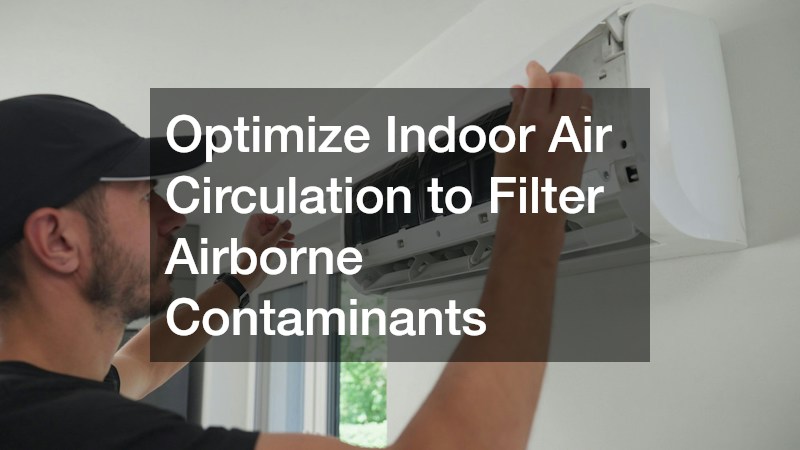
The air circulating through your home is entirely managed by your heating, ventilation, and air conditioning system. When this system is optimized and well-maintained, it acts as a massive respiratory system for your house, scrubbing the air of impurities. When neglected, it becomes a superhighway for distributing airborne pathogens into every room.
The standard, inexpensive fiberglass filters found in many homes are designed only to protect the blower motor from large dust particles; they do absolutely nothing to stop microscopic bacteria or virus carriers. To actively capture these microscopic threats, you must upgrade your filtration strategy.
- Swap out standard filters for pleated filters with a Minimum Efficiency Reporting Value (MERV) of 11 or 13.
- Change these high-efficiency filters every 60 to 90 days, or more frequently during heavy allergy seasons or periods of widespread illness.
- Monitor your system for signs of strain. Because high-MERV filters are denser, they can restrict airflow. It is highly recommended to consult a reputable heating and air conditioning company to evaluate your current blower motor and confirm it can handle the thicker, denser filter without overheating or freezing the evaporator coil.
The extensive network of ductwork hidden behind your walls and ceilings can accumulate massive amounts of organic debris over the years. Dust, pet dander, dead skin cells, and trace amounts of moisture create a nutrient-rich layer of sludge inside the vents. When the blower turns on, this sludge becomes a launching pad for microbes. Scheduling a professional air duct cleaning helps to physically agitate, dislodge, and vacuum away this pathogenic buildup, effectively resetting your home’s respiratory system and ensuring that the air blowing into your living spaces is hygienic.
Filtration captures pathogens, but ultraviolet light actively neutralizes them. Hospitals have used UV-C light for decades to sterilize environments, and this technology is now widely available for residential HVAC systems.
- Install germicidal UV-C lamps directly over your system’s indoor evaporator coil. This coil is frequently damp from condensation, making it a prime target for bacterial sludge.
- Consider in-duct UV air purifiers that irradiate the air as it passes through the return plenum, neutralizing the DNA of airborne viruses and bacteria before they can circulate through the house.
Keep Your Plumbing Network Free of Bacterial Breeding Grounds
Our plumbing systems safely whisk away biohazardous waste and supply us with clean water. However, the interconnected pipes can easily harbor dangerous bacteria if the necessary physical barriers and hygiene practices break down.
The curved piece of pipe beneath your sinks, known as the P-trap, is designed to hold a small amount of water to block sewer gases from rising into the room. Unfortunately, this constant presence of water, combined with soap scum, hair, and food particles, creates biofilms. These biofilms are slimy, protective layers of bacteria that cling to the inside of the pipes and can emit foul, pathogen-laced odors.
- Treat your sink and shower drains monthly by pouring a kettle of boiling water down them to melt away grease and soap scum.
- Follow the boiling water with a mixture of baking soda and white vinegar, letting it sit for twenty minutes to break down the bacterial slime naturally. By maintaining this routine, you can break down biofilms early, long before they accumulate into massive blockages that result in severely clogged drains that push contaminated, bacteria-filled water back up into your sterile sinks and bathtubs.
While sink backups are localized nuisances, a failure in your main sewer line is a catastrophic health hazard. Raw sewage contains a multitude of dangerous pathogens, including E. coli, Salmonella, and various parasites.
- Be vigilant for warning signs: gurgling toilets, slow draining across multiple fixtures simultaneously, or sewage odors in the yard.
- Never let sink or floor drains in guest bathrooms or basements dry out. Run water down them bi-weekly to keep the P-trap full and the sewer gas blocked. To prevent a biohazardous nightmare, have a reliable plumbing service perform an annual camera inspection of your main sewer line. They can identify encroaching tree roots, pipe bellying, or structural degradation, allowing you to fix the vulnerability before raw sewage breaches your living space.
Fortify Your Home’s Exterior Against Disease-Carrying Vectors
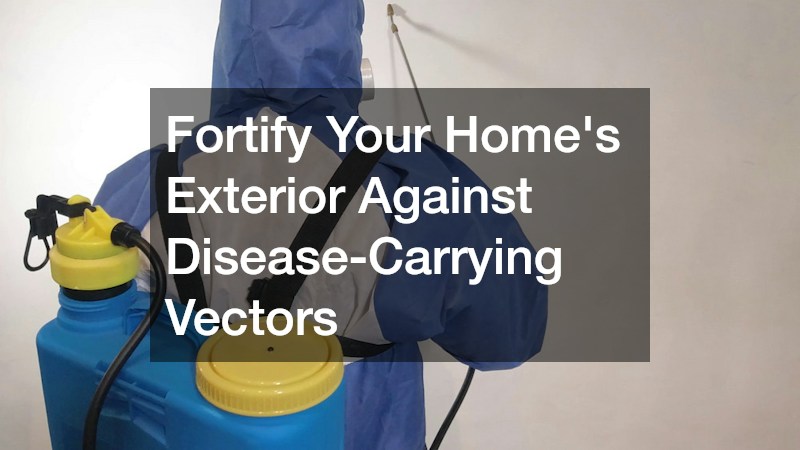
Pathogens don’t always drift in on the wind or grow from water damage; frequently, they are physically carried inside by pests. Rodents, insects, and other biological vectors are primary transportation vehicles for a host of dangerous diseases. Keeping these vectors strictly outside requires a diligent, defensive perimeter.
Mice and rats are infamous for carrying serious illnesses, including hantavirus, leptospirosis, and various strains of Salmonella. Their droppings and urine can dry out, turn into dust, and become airborne pathogens inside your home. Because rodents can squeeze through gaps as small as a dime, visual inspections must be incredibly thorough.
- Install heavy-duty, weather-resistant door sweeps on all exterior doors, including the door leading from the home to the garage.
- Use copper mesh or steel wool combined with silicone caulk to securely pack and seal any gaps around utility pipes, dryer vents, and exterior electrical conduits.
- Cap your chimney with a highly durable, stainless-steel spark arrestor to prevent animals from nesting in the flue. If your home has a history of pest infiltration, the most secure approach is utilizing a professional rodent proofing service to systematically identify and permanently seal hard-to-reach structural vulnerabilities along the roofline and foundation that the untrained eye might miss.
Mosquitoes are among the deadliest vectors on the planet, capable of transmitting West Nile virus, Zika, and various forms of encephalitis. They require only a thimbleful of stagnant water to lay hundreds of eggs, meaning your yard could be inadvertently breeding thousands of disease-carrying insects.
- Establish a strict weekly routine to walk your property and tip over birdbaths, empty children’s outdoor toys, and drain the saucers underneath potted plants.
- Regularly clean your rain gutters; decomposing leaves and twigs create dams that hold stagnant water high above the ground.
- Ensure your property is graded so that rainwater flows away from the foundation rather than puddling in the yard. For properties adjacent to woodlands, homes with heavy, dense foliage, or areas suffering from chronic dampness, employing professional mosquito removal services can drastically reduce the insect population by treating the perimeter foliage and disrupting the breeding cycle, keeping the vectors far away from your patio and exterior doors.
Secure Reliable Power for Critical Health Devices
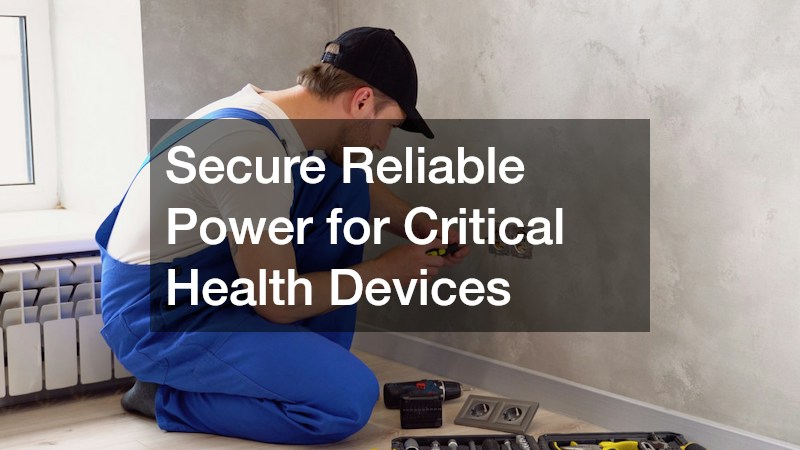
Modern health-focused home maintenance relies heavily on electrical appliances. Your HVAC system, continuous-drain dehumidifiers, HEPA air purifiers, and UV-C lights all require a steady, safe supply of electricity to function. If your home’s power infrastructure is unstable, your defenses against pathogens will inevitably fail when you need them most.
Running multiple heavy-duty environmental control appliances simultaneously can place an immense strain on your home’s electrical panel, especially in older houses constructed before the era of modern, high-draw appliances.
- Monitor your breaker box. If running a basement dehumidifier and a living room air purifier simultaneously causes a circuit to trip, your system is overloaded.
- Pay attention to flickering lights or warm outlets when your environmental appliances cycle on. Ignoring these warning signs is dangerous. Tripping breakers defeat the purpose of continuous air purification, and overloaded circuits are a severe fire hazard. An immediate electrical repair is necessary to balance the load, upgrade the breaker, and keep your pathogen-fighting appliances running safely without interruption.
To guarantee that your home’s most vital health and climate control devices operate flawlessly, they should not share power with general living room outlets or kitchen appliances.
- Identify the most important environmental appliances in your home, such as the primary HVAC air handler, large basement dehumidifiers, or whole-house HEPA filtration units.
- Protect these systems from sudden grid voltage spikes by installing a whole-house surge protector directly at the main breaker panel. To achieve maximum reliability, you should bring in a licensed residential electrician to safely wire dedicated, single-use circuits for these critical units. This ensures that a hair dryer or microwave turning on will never trip the breaker powering your primary air purification system, guaranteeing that your home’s air remains filtered and properly conditioned around the clock.
Transforming your home into a true sanctuary requires moving beyond mere aesthetic upkeep and embracing a health-first approach to maintenance. By understanding how the physical structure of your house interacts with the microscopic world, you can build a formidable defense against illness. The five pillars of this defense—aggressive moisture control, advanced indoor air filtration, rigorous plumbing hygiene, complete vector exclusion, and rock-solid power stability—work together to form a holistic shield.
When you eliminate the damp environments fungi love, filter the air of viral particles, flush away bacterial biofilms, block pest entryways, and ensure your purification systems never lose power, you drastically lower your family’s exposure to dangerous pathogens. Consistent home upkeep is not just a financial investment in your property’s market value; it is a direct, essential investment in your family’s daily immune health. Take a walk around your house this weekend, inspect your perimeter, check your filters, and identify your top priority project to keep your sanctuary safe, clean, and healthy.