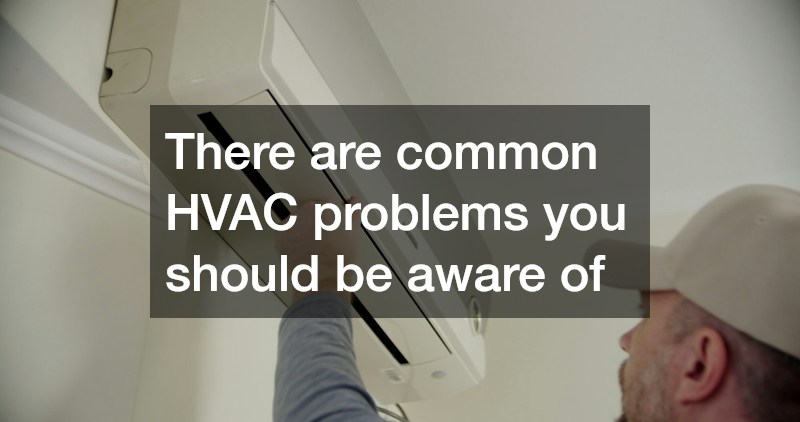

Regular maintenance and repair of HVAC systems are of paramount importance in ensuring their longevity and efficiency. Just like any other mechanical system, HVAC units can suffer from wear and tear over time, which can significantly impact their performance. It is not uncommon for homeowners to overlook early warning signs that their HVAC system may need attention, often resulting in more severe problems down the line. Proactively identifying issues and addressing them promptly can prevent costly repairs and ensure the system operates at its peak efficiency. By understanding the common signs of HVAC troubles, homeowners can make informed decisions about when to call in a professional for assistance.
How do I know if my HVAC system needs repair?
Identifying the need for HVAC repair can sometimes be straightforward, yet it often requires a keen eye for subtle clues. One of the most noticeable signs is a sudden spike in energy bills, which typically indicates that the system is struggling to maintain the desired temperature efficiently. Unusual noises such as banging, rattling, or screeching emanating from the system also warrant immediate attention, as they could signal a mechanical issue. Additionally, inconsistent temperatures across different rooms, or the HVAC system taking longer to heat or cool your space, should prompt you to consider a professional evaluation. These indicators, among others, are key in determining whether or not your system is due for repair.
A lack of airflow is another significant indicator that your HVAC system may need repair. If some areas in your home or office feel stuffy or your vents aren’t blowing air forcefully enough, this could point to a blockage or issue with the air compressor. Foul odors circulating through your property, whether they smell like mechanical burning or are musty, should not be ignored. They could suggest problems with the system’s wiring or indicate mold growth within the ducts. Moreover, if your system frequently cycles on and off, it may be struggling to maintain temperature, pointing to a larger underlying problem.
The age of your HVAC system can also be a telltale sign of when repairs or even replacements are due. Most HVAC systems have an average lifespan of 10 to 15 years. As they approach this age, the frequency of needed repairs often increases, and efficiency declines. If you find yourself calling a repair technician frequently or your energy bills are steadily rising without an increase in use, these might be clues that your system is nearing the end of its effective life. Keeping an eye on these aspects can help ensure your system is running smoothly and efficiently.
What are the common HVAC problems I should be aware of?
Understanding common HVAC problems can empower you to take swift action when issues arise. One frequent problem is refrigerant leaks, which not only lead to inefficient heating or cooling but can also cause environmental harm if not addressed promptly. Additionally, clogged filters can result in restricted airflow, compounding the system’s inefficiency and often causing the unit to overheat. Electrical components, such as capacitors and relays, can wear out over time, posing further reliability concerns. If any of these components fail, it can lead to a cascade of issues requiring professional intervention.
In addition to these problems, thermostat malfunctions are common and can cause inconsistent temperatures or prevent your HVAC system from starting altogether. The thermostat serves as the brain of the system, so any malfunctions can have widespread effects. Other issues such as water leaks involving the condensation drain line or pan can lead to water damage and mold growth if not swiftly addressed. The motor of the HVAC system may also suffer wear, particularly from a lack of maintenance, which can cause the entire system to break down. Being aware of these common issues can guide you in maintaining a robust HVAC system.
Another often overlooked area is the ductwork, which can become leaky or develop blockages over time. This can significantly decrease heating and cooling efficiency and lead to increased energy bills. Regular inspection and cleaning of ducts can help mitigate these problems, ensuring that the air circulated in your home is clean and that your system doesn’t work harder than it should. Moreover, being proactive about maintenance checks allows you to catch potential problems early. By doing so, you save time and money, and importantly, you avoid discomfort during extreme weather conditions when HVAC reliability is crucial.
How often should I have my HVAC system serviced?
Routine maintenance is key in extending the lifespan and maintaining the efficiency of your HVAC system. As a general rule, it’s recommended to schedule a professional tune-up at least once a year, ideally in the spring for cooling systems and in the fall for heating systems. Regular professional maintenance involves checking and cleaning components, replenishing fluids, and making any necessary adjustments to ensure optimal performance. Beyond annual check-ups, filters should be changed every one to three months, depending on usage and filter type, to help maintain air quality and system efficacy. Proactive servicing can prevent small issues from developing into costly problems that impact your comfort at critical times.
For those living in regions with extreme climates, bi-annual servicing is highly recommended to prepare the unit for seasons of heavy use. During these comprehensive inspections, technicians check for potential issues like refrigerant levels, motor performance, and electrical components to ensure the unit operates without issues. Investing in regular service not only enhances your system’s efficiency but can also help in spotting trends in wear and tear. This foresight allows homeowners to budget for eventual replacements and avoid emergency repairs. Thus, consistent maintenance is an investment in the longevity and reliability of your HVAC system.
While professional servicing is important, homeowners should also be vigilant about simple maintenance tasks. In addition to changing filters, keeping external units free of debris, as well as ensuring vents and ducts are unobstructed, can have significant benefits. Regularly checking for unusual sounds or leaks and ensuring the thermostat is functioning correctly are also vital aspects of maintaining your system. While these are not a substitute for professional checks, they are keysteps in prolonging the life and improving the efficiency of your HVAC unit. Together, professional and self-maintenance create a holistic approach to HVAC care.
Can I perform any HVAC maintenance myself?
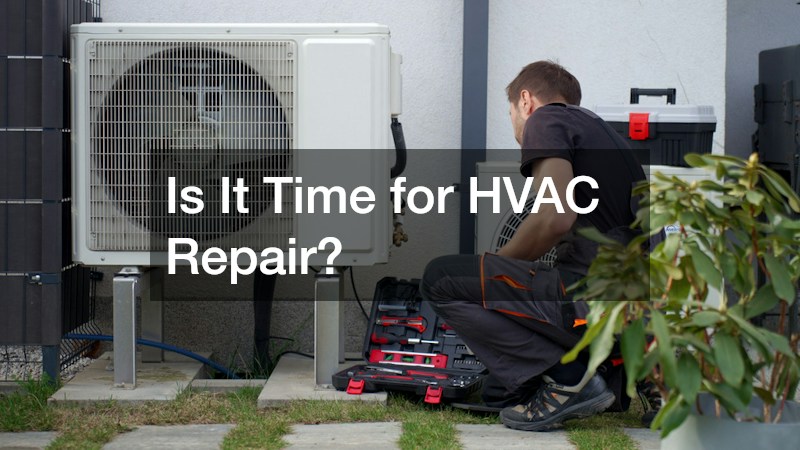
While many aspects of HVAC maintenance are best left to professionals, there are several tasks you as a homeowner can effectively carry out yourself. The most straightforward and impactful of these is regularly replacing air filters, as clogged filters can cause strain on the system and decrease indoor air quality. Depending on environmental factors and usage, this should be done every one to three months. Additionally, maintaining the external unit by keeping it free from debris such as leaves and grass clippings ensures the system can circulate air efficiently. Simple visual inspections of the unit for signs of wear, water leaks, or unusual noises can alert you to potential problems before they worsen.
Ensuring that vents and ducts are not obstructed is another key aspect of maintenance you can perform. Proper airflow not only increases efficiency but also helps in maintaining even temperatures across your home or workspace. If you notice uneven heating or cooling, checking for blocked vents or furniture impeding airflow can be a simple fix. Moreover, cleaning registers and vents regularly will further improve airflow and keep your system in good health. Such tasks do not require extensive expertise and can have a significant positive impact on the operation of your HVAC system.
A more advanced task you might feel comfortable undertaking is checking the thermostat settings. Ensuring that the thermostat is set to the desired settings and is functioning correctly can help you avoid unnecessary strain on your system. Additionally, programming the thermostat to lower usage during times when heating or cooling is less necessary can save energy and extend the life of your system. Taking these simple steps can empower you to maintain your HVAC system in good working order between professional servicing. While DIY maintenance is beneficial, it should complement, not replace, professional routine servicing.
When should I call a professional for HVAC repair?
While some HVAC maintenance tasks can be handled on your own, there are specific situations where calling in a professional is necessary. If you notice persistent problems such as uneven temperatures, frequent cycling, or an inability to reach the desired temperature, professional assessment and repair are advised. Electrical issues such as flickering lights or tripped breakers linked to your HVAC system should be addressed by a qualified technician immediately to prevent safety hazards. Additionally, if your system stops working altogether or you detect a strong unusual odor emanating from your vents, it’s best to seek professional help without delay. Professionals have the tools and expertise to diagnose and repair complex issues efficiently and safely.
Sudden, unexplained increases in your utility bills might also warrant a call to HVAC specialists. Often, this signifies an unseen problem that is causing the system to work harder than necessary. A professional can inspect the entire system, identify inefficiencies, and recommend solutions that can restore optimal performance and reduce energy costs. If your system is older, regular professional evaluations can inform you of when it’s time to consider a replacement, rather than repeated repairs. This proactive approach can save money and improve your home’s comfort level over time.
Ultimately, understanding when professional intervention is needed is crucial in maintaining your HVAC system’s health. While it’s tempting to attempt a DIY approach to reduce costs, HVAC systems are complex and require professional expertise for many repairs. Remember, routine professional maintenance paired with diligent homeowner care can prevent many issues from arising and extend the system’s lifespan. Investing in professional servicing is a step toward ensuring safety, comfort, and efficiency in your living spaces. Your HVAC system is an investment in your home’s comfort; protecting it with proper maintenance and timely professional repair ensures it remains effective for years to come.
Recognizing the signs of potential HVAC problems and addressing them with timely repairs is essential to maintaining a comfortable and efficient home environment. Regular maintenance and immediate attention to issues not only help to extend the system’s life but also prevent costly repairs and ensure energy efficiency. Understanding when to perform maintenance tasks yourself and when to seek professional help can safeguard your HVAC investment. Ultimately, vigilance and regular service checks stand as your best defense against untimely breakdowns and discomfort. By remaining proactive in your approach to HVAC care, you can enjoy consistent comfort and superior system performance year-round.