
Designing a forever family home is more than selecting finishes and choosing a floor plan. It’s about creating a space that supports your lifestyle, adapts to your future, and provides lasting comfort for everyone under one roof. Every decision—from layout and materials to lighting and energy efficiency—plays a vital role in shaping a home that grows alongside your family.
A well-planned home balances beauty, functionality, and durability. Thoughtful choices today can reduce maintenance costs, enhance daily convenience, and increase long-term value. By understanding how each design element contributes to the bigger picture, you can build a space that truly reflects your vision while meeting your practical needs.
The following guide explores the essential considerations that influence the success of a forever family home, helping you make informed decisions with confidence.
Establishing a Clear Vision for Your Dream Home

Every successful home begins with a clear and intentional vision. Defining your priorities early ensures that each design choice aligns with your lifestyle, preferences, and long-term goals. Whether you envision a modern retreat or a timeless traditional residence, clarity at the outset minimizes costly revisions later.
Collaborating with a custom home builder allows families to transform ideas into a cohesive plan that balances aesthetics and practicality. At the same time, working with an experienced home construction contractor ensures that your vision is executed with precision, safety, and efficiency.
When developing your home’s blueprint, consider the following:
- Family Needs: Account for current routines and future changes, such as children, aging parents, or remote work.
- Lifestyle Preferences: Identify features that enhance daily living, including open-concept layouts or dedicated entertainment areas.
- Long-Term Plans: Design with adaptability in mind to accommodate evolving needs.
- Budget Priorities: Allocate resources strategically to ensure the most important features are fully realized.
- Architectural Style: Choose a design that reflects your taste while maintaining lasting appeal.
By establishing a strong foundation during the planning phase, you set the stage for a home that remains functional and meaningful for decades.
Designing for Comfort and Climate Control
Comfort is a defining characteristic of a forever home. A well-designed environment maintains consistent temperatures, improves air quality, and supports energy efficiency throughout every season.
Consulting with local HVAC companies ensures that heating and cooling systems are tailored to your home’s size, layout, and regional climate. Additionally, working with reputable AC installation companies helps guarantee optimal system performance and longevity.
To create a comfortable indoor environment, consider these key elements:
- Proper System Sizing: Oversized or undersized equipment can lead to inefficiency and inconsistent temperatures.
- Zoned Climate Control: Separate temperature zones allow for personalized comfort in different areas of the home.
- Energy-Efficient Equipment: Modern systems reduce utility costs and environmental impact.
- Smart Thermostats: Automated controls provide convenience and optimize energy usage.
- High-Quality Insulation: Effective insulation minimizes heat loss and improves overall efficiency.
- Indoor Air Quality Solutions: Advanced filtration systems help maintain a healthier living environment.
Investing in reliable climate control ensures year-round comfort and enhances the overall livability of your home.
Enhancing Durability and Exterior Appeal
A home’s exterior serves as both its first impression and its primary line of defense against the elements. Selecting durable materials and skilled professionals ensures lasting protection while enhancing curb appeal.
Partnering with a trusted local roofing contractor provides confidence that your home will withstand harsh weather conditions. Meanwhile, a skilled local painter contributes to both aesthetic appeal and structural preservation by protecting surfaces from wear and environmental damage.
When planning your home’s exterior, focus on the following:
- High-Quality Roofing Materials: Durable options extend the lifespan of your home.
- Weather-Resistant Finishes: Protective coatings help prevent deterioration.
- Cohesive Color Palettes: Harmonious tones enhance architectural beauty.
- Low-Maintenance Siding: Materials designed for longevity reduce upkeep.
- Effective Drainage Systems: Proper water management protects structural integrity.
- Landscaping Integration: Thoughtful design complements and frames the home.
A well-crafted exterior not only elevates visual appeal but also safeguards your investment for years to come.
Maximizing Natural Light and Energy Efficiency
Natural light transforms living spaces, making them feel open, inviting, and vibrant. Beyond aesthetics, strategic daylighting reduces energy consumption and promotes well-being.
Working with a reputable windows company ensures that your home benefits from high-performance products designed for durability and insulation. Modern window solutions improve thermal efficiency while enhancing comfort and reducing utility costs.
To maximize light and efficiency, consider the following strategies:
- Strategic Placement: Position windows to capture sunlight throughout the day.
- Energy-Efficient Glass: Double- or triple-pane designs improve insulation.
- Low-Emissivity Coatings: These coatings reduce heat transfer and UV exposure.
- Proper Orientation: South-facing windows often provide optimal natural light.
- Ventilation Opportunities: Operable windows improve airflow and indoor comfort.
- Architectural Features: Skylights and transom windows add character and brightness.
By prioritizing natural illumination, you create a warm, welcoming environment that supports sustainability and comfort.
Creating a Functional and Stylish Kitchen
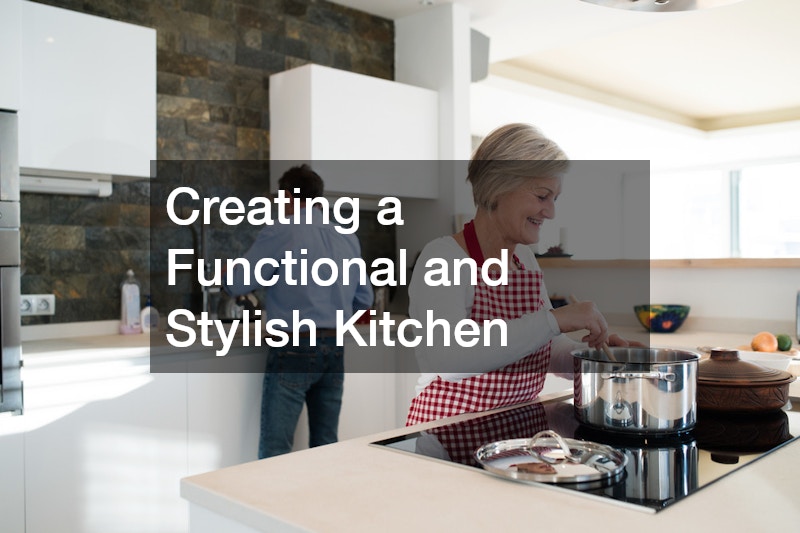
The kitchen serves as the heart of the family home—a gathering place for meals, celebrations, and everyday interactions. Thoughtful design ensures that this space balances beauty with practicality.
Collaborating with experienced local kitchen designers helps translate your vision into an efficient and elegant layout. Custom storage solutions, such as a custom cabinet, enhance organization while reflecting your personal style.
When designing your kitchen, keep these essential considerations in mind:
- Efficient Layouts: Popular configurations include L-shaped, U-shaped, and galley kitchens.
- Ample Storage: Customized cabinetry keeps countertops clutter-free.
- Durable Countertops: Materials like quartz and granite offer longevity and style.
- Functional Islands: Islands provide additional workspace and seating.
- Quality Lighting: Layered lighting improves both ambiance and usability.
- Ergonomic Design: Proper spacing enhances comfort and efficiency.
- Timeless Finishes: Neutral tones ensure long-term appeal.
A well-designed kitchen supports daily routines while serving as a welcoming hub for family and friends.
Integrating Safe and Smart Electrical Systems
Reliable electrical planning is essential for both safety and modern convenience. From powering appliances to supporting smart home technology, a well-designed system ensures seamless functionality.
Working with experienced electrical contractors guarantees that installations meet safety standards while accommodating current and future needs. Strategic planning also allows homeowners to incorporate innovative features that enhance comfort and efficiency.
Key considerations for electrical design include:
- Adequate Outlet Placement: Ensure accessibility throughout living spaces.
- Energy-Efficient Lighting: LED solutions reduce energy consumption.
- Smart Home Integration: Automated systems improve convenience and control.
- Surge Protection: Safeguards protect valuable electronics.
- Dedicated Circuits: Prevent overloads for high-demand appliances.
- Outdoor Lighting: Enhances security and curb appeal.
- Backup Power Options: Generators provide peace of mind during outages.
A forward-thinking electrical plan ensures your home remains safe, functional, and adaptable to technological advancements.
Designing Flexible Spaces for Changing Needs
A forever home must evolve alongside your family. Flexible spaces provide the adaptability needed to accommodate shifting lifestyles and priorities.
Consider incorporating:
- Multi-Purpose Rooms: Spaces that transition between guest rooms, offices, or playrooms.
- Home Offices: Dedicated areas for productivity and remote work.
- Finished Basements: Additional living areas for entertainment or relaxation.
- Bonus Rooms: Versatile spaces tailored to unique family needs.
- Convertible Furniture: Smart solutions that maximize functionality.
- Private Retreats: Quiet zones for relaxation and personal time.
By prioritizing flexibility, you create a home that remains relevant and functional throughout every stage of life.
Planning for Aging in Place and Multigenerational Living
A forever family home should provide comfort and accessibility at every stage of life. Designing with the future in mind allows homeowners to remain in their residences longer while accommodating evolving needs. Whether you anticipate aging in place or welcoming extended family members, thoughtful planning ensures your home remains both practical and inviting.
Collaborating with a custom home builder helps incorporate features that promote safety, independence, and long-term functionality. Likewise, experienced electrical contractors can integrate modern technologies that enhance convenience and peace of mind.
To create a home that supports long-term living, consider incorporating the following design elements:
- Step-Free Entrances: Eliminate barriers to improve accessibility for all ages and mobility levels.
- Wider Doorways and Hallways: Provide ample space for wheelchairs, walkers, and strollers.
- Main-Level Living: Include bedrooms, bathrooms, and laundry areas on the first floor to reduce reliance on stairs.
- Curbless Showers: Offer safer, easier access while maintaining a sleek and modern appearance.
- Lever-Style Handles: Simplify operation compared to traditional knobs.
- Reinforced Bathroom Walls: Allow for future installation of grab bars without major renovations.
- Slip-Resistant Flooring: Reduce the risk of falls in high-traffic and moisture-prone areas.
- Smart Home Automation: Voice-activated lighting, climate control, and security systems enhance convenience and independence.
- Layered Lighting: Improves visibility and reduces eye strain in essential living spaces.
- Emergency Preparedness Features: Backup generators and monitored alarm systems provide added security.
Multigenerational living is also becoming increasingly popular, offering financial benefits and fostering stronger family connections. Designing flexible accommodations ensures privacy while promoting togetherness. Consider adding:
- Private In-Law Suites: Separate living areas with bedrooms, bathrooms, and small kitchenettes.
- Dual Living Spaces: Ideal for extended families seeking independence within a shared home.
- Soundproofing Solutions: Enhance comfort and privacy between living zones.
- Separate Entrances: Allow autonomy while maintaining connection to the main residence.
- Adaptable Bonus Rooms: Easily transform spaces into guest rooms or caregiver quarters as needs evolve.
Planning for accessibility today prevents costly renovations in the future. It also increases your home’s market appeal, as buyers increasingly value adaptable and inclusive designs.
By prioritizing comfort, safety, and flexibility, you create a residence that evolves with your family. This forward-thinking approach ensures that your home remains a place of stability, independence, and cherished memories for generations to come.
Prioritizing Storage and Organization
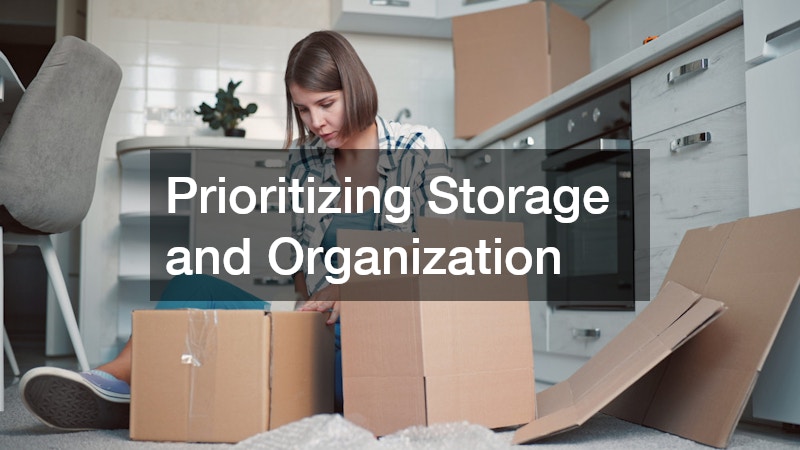
Effective storage contributes to a clutter-free and stress-free living environment. Thoughtful planning ensures that every item has a designated place, enhancing both convenience and efficiency.
Storage solutions to consider include:
- Walk-In Closets: Spacious and organized wardrobe storage.
- Built-In Shelving: Seamlessly integrated display and storage options.
- Mudrooms: Practical entryways for shoes, coats, and bags.
- Pantries: Essential for kitchen organization and accessibility.
- Under-Stair Storage: Maximizes unused space.
- Garage Organization Systems: Keeps tools and equipment neatly arranged.
- Attic Storage: Provides additional room for seasonal items.
Well-designed storage supports daily routines and maintains a polished appearance throughout the home.
Extending Comfort to Outdoor Living Areas
Outdoor spaces serve as natural extensions of your home, offering opportunities for relaxation, entertainment, and family bonding. Designing these areas with intention enhances both lifestyle and property value.
Consider incorporating:
- Covered Patios: Provide shade and protection from the elements.
- Outdoor Kitchens: Ideal for gatherings and celebrations.
- Fire Pits and Fireplaces: Create cozy gathering spots year-round.
- Decks and Porches: Expand usable living space.
- Landscaped Gardens: Add beauty and tranquility.
- Play Areas: Offer safe spaces for children.
- Lighting and Pathways: Improve safety and ambiance.
By blending indoor comfort with outdoor charm, you create a cohesive and inviting living environment.
Planning for Energy Efficiency and Sustainability
Sustainable design not only reduces environmental impact but also lowers long-term operating costs. Integrating energy-efficient features ensures your home remains economical and environmentally responsible.
Eco-friendly strategies include:
- High-Performance Insulation: Improves temperature regulation.
- Energy-Efficient Appliances: Reduce utility consumption.
- Solar Panels: Harness renewable energy.
- Water-Saving Fixtures: Conserve valuable resources.
- Sustainable Building Materials: Promote environmental responsibility.
- Smart Home Technology: Optimizes energy usage.
- Rainwater Collection Systems: Support eco-conscious landscaping.
A focus on sustainability enhances comfort while contributing to a healthier future.
Budgeting Wisely for Long-Term Value
A well-managed budget ensures that your dream home becomes a reality without unnecessary financial stress. Strategic planning allows you to prioritize features that deliver the greatest impact and longevity.
Key budgeting tips include:
- Establish Clear Priorities: Focus on must-have features first.
- Plan for Contingencies: Allocate funds for unexpected expenses.
- Invest in Quality Materials: Durable selections reduce future repairs.
- Balance Luxury and Practicality: Splurge where it matters most.
- Monitor Costs Regularly: Stay informed throughout the construction process.
- Consider Long-Term Savings: Energy-efficient upgrades offer ongoing benefits.
- Work With Trusted Professionals: Experienced experts help prevent costly mistakes.
Financial foresight ensures your forever home remains a wise and rewarding investment.
Managing the Construction Process With Confidence
Building a home is a significant undertaking, but effective management simplifies the journey. Clear communication and proactive planning help ensure a smooth experience from concept to completion.
Best practices for successful project management include:
- Setting Realistic Timelines: Understand each phase of construction.
- Maintaining Open Communication: Regular updates keep everyone aligned.
- Reviewing Plans Thoroughly: Address potential issues early.
- Scheduling Routine Inspections: Verify quality and compliance.
- Tracking Progress: Stay informed and involved.
- Documenting Decisions: Keep records of selections and changes.
- Preparing for Final Walkthroughs: Confirm that expectations are met.
An organized approach minimizes stress and keeps your project on track.
Bringing Your Forever Family Home to Life

Creating a forever family home is a deeply personal journey shaped by thoughtful planning and intentional design. Each decision contributes to a space that reflects your values, supports your lifestyle, and provides lasting comfort for those you cherish most.
By prioritizing functionality, quality, and adaptability, you can craft a home that evolves alongside your family while maintaining its beauty and purpose. With careful preparation and informed choices, your dream residence becomes a place where memories are made and treasured for generations to come.