

Old homes have a special charm. From creaky wooden floors to ornate moldings, there’s a warmth and character in a house that’s been around for decades. But along with the charm, older homes can hide a surprising number of hazards that most homeowners don’t notice until it’s too late.
Renovating or even just living in an older home requires a bit more vigilance than a modern build. From hidden pests to outdated plumbing, these dangers can cause serious damage to your property—and even pose risks to your health. In this guide, we’ll break down some of the most common hidden dangers in old homes and show you how to address them.
1. Asbestos and Hazardous Materials
One of the most notorious hidden dangers in older homes is asbestos. Up until the late 1970s, it was widely used in insulation, floor tiles, ceiling tiles, roofing, siding, and even some textured paints. The problem with asbestos is that it’s harmless when left undisturbed—but once fibers are released into the air, they can be inhaled and cause serious health issues over time, including lung disease and cancer.
Other hazardous materials can also be present in older homes, including:
-
Lead-based paint: Common in homes built before 1978, lead paint can chip and produce dust that is harmful, especially to young children.
-
Old insulation or wallboard: Certain types may contain harmful fibers or chemicals that can irritate the lungs or skin.
-
Asbestos-containing adhesives and roofing materials: Often hidden in attics, basements, or behind walls, these are easy to disturb during renovations.
If you suspect your home has asbestos or other hazardous materials, the safest approach is professional asbestos removal. DIY removal is extremely risky and can make the problem far worse. Here are some important tips:
-
Schedule a certified inspection before starting any demolition or remodeling work.
-
Avoid sanding, cutting, or drilling materials that may contain asbestos.
-
Always follow professional guidance for containment, removal, and disposal.
-
Keep children and pets away from areas where asbestos might be disturbed.
Addressing hazardous materials early in your renovation process not only protects your family’s health but also prevents costly cleanup and legal issues. Taking the time to properly manage asbestos and other dangerous substances ensures your old home remains safe while you preserve its unique character.
2. Faulty Plumbing
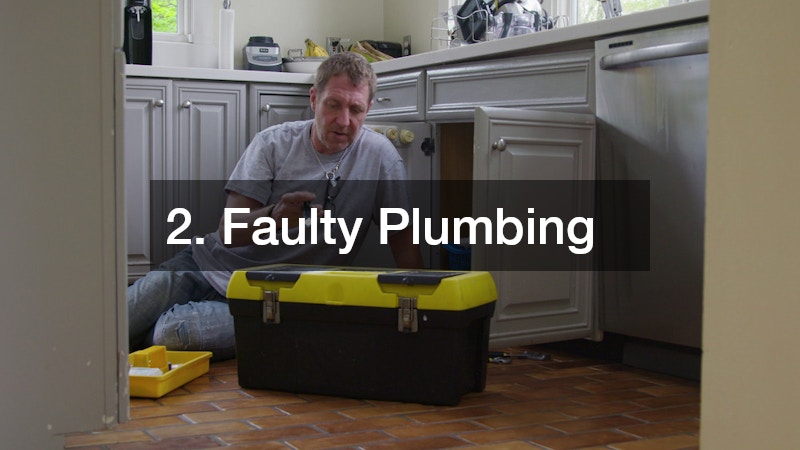
Plumbing in older homes can be tricky. Over the years, pipes may corrode, leak, or even burst without warning. Signs of aging plumbing include discolored water, low water pressure, or frequent clogs. While some minor leaks might seem harmless, a slow leak behind a wall can quietly cause water damage, mold growth, and even structural issues over time.
Many older homes have plumbing systems made from materials that are now outdated or unsafe, such as galvanized steel or lead pipes. These materials are prone to corrosion and can affect water quality, making regular inspections crucial.
When it comes to addressing plumbing problems, it’s always a good idea to consult professional plumbing contractors. Experienced contractors can:
-
Identify hidden leaks and corrosion before they become major issues.
-
Replace outdated or unsafe piping with modern materials.
-
Inspect water pressure and ensure your system is running efficiently.
-
Provide guidance on maintenance routines to extend the life of your plumbing.
Taking a proactive approach not only prevents sudden disasters but also saves money in the long run. Regular check-ups and timely repairs make living in an older home safer and more comfortable, giving you peace of mind that your plumbing system is reliable.
3. Heating System Failures
Older heating systems often don’t get the attention they deserve until something goes wrong. Furnaces, boilers, and space heaters can be less efficient than modern units, and even worse, they may pose fire hazards if not properly maintained. Strange noises, uneven heating, frequent cycling, or sudden cold spots in your home can all indicate that your system needs attention.
Routine maintenance is essential to keep older heating systems running safely and efficiently. This includes cleaning, inspecting, and occasionally replacing worn-out components. Scheduling professional heating repairs before the winter months can prevent unexpected breakdowns when you need warmth the most.
Some additional tips to keep your heating system in top shape:
-
Check and replace filters regularly to ensure proper airflow.
-
Inspect ductwork for leaks or blockages that can reduce efficiency.
-
Test thermostats to make sure they are accurate and functioning.
-
Keep the area around your heater clear to prevent fire hazards.
Being proactive with maintenance and repairs not only improves comfort but also extends the life of your heating system. A well-maintained unit is less likely to fail during extreme weather, keeping your home cozy and your family safe.
4. Pest Infestations

Pests are another hidden danger in older homes. Termites, rodents, and cockroaches can cause structural damage, spread disease, and generally make your living space unpleasant. Termites alone can silently eat away at wood framing, leading to potentially expensive repairs if left unchecked. Even small infestations of rodents or ants can quickly escalate if not addressed promptly.
Preventative measures are crucial for keeping pests under control. Keep firewood and debris away from the home’s foundation, seal cracks and entry points, and regularly inspect areas like basements, attics, and crawl spaces. Routine pest control services can help detect and prevent infestations before they become serious problems.
If you do suspect an infestation, calling in professional exterminators is often the safest and most effective approach. Experts can not only remove the pests but also identify how they entered your home and implement long-term solutions to prevent their return.
Here are some additional steps homeowners can take to minimize pest issues:
-
Store food in airtight containers and keep counters clean.
-
Ensure garbage is sealed and disposed of regularly.
-
Trim vegetation away from the house to reduce hiding spots.
-
Check for leaks or standing water that attract insects and rodents.
Taking a proactive approach with inspections, preventative treatments, and professional help ensures your home stays safe from pests and preserves the structural integrity of your older property.
5. Septic System Risks
Many older homes rely on septic systems, which, if neglected, can create serious issues. A failing septic system can cause backups in your plumbing, contaminate nearby soil and water, and emit unpleasant odors. Common warning signs include slow drains, sewage smells, soggy patches in the yard, or unusual plant growth over the drain field. Ignoring these issues can lead to costly repairs and even environmental hazards.
Regular check-ups are essential to keep your septic system functioning properly. Scheduling professional septic inspection services ensures that problems are caught early, from blockages to signs of tank failure, before they turn into emergencies.
In addition to inspections, proper upkeep and repairs are equally important. Comprehensive septic system services can handle everything from pumping and cleaning to repairing or replacing damaged components. By addressing issues proactively, homeowners can avoid unpleasant backups, foul odors, and expensive restoration work.
Some practical tips for maintaining your septic system include:
-
Avoid flushing non-biodegradable items or harsh chemicals down drains.
-
Be mindful of water usage to prevent overloading the system.
-
Keep heavy vehicles off the drain field to avoid compacting the soil.
-
Schedule routine inspections and pumping as recommended by professionals.
Taking these precautions ensures that your septic system continues to operate efficiently and safely, protecting both your home and the surrounding environment.
6. Well and Water System Issues
If your home relies on a private well, there’s an added layer of responsibility compared to homes on municipal water. Well pumps, older piping, and other components can fail over time, leading to interruptions in your water supply or potential contamination. Changes in taste or odor, unusual discoloration, or sudden drops in water pressure are all signs that your system may need attention.
Regular inspections and preventative maintenance are key to keeping your water system reliable. Scheduling professional well pump repairs when issues arise ensures your system continues to function efficiently and prevents small problems from turning into major disruptions.
Some additional steps to maintain a safe and consistent water supply include:
-
Test water quality regularly for contaminants like bacteria, nitrates, or heavy metals.
-
Inspect the well casing and surrounding area for cracks or debris that could compromise water safety.
-
Ensure mechanical components, like the pressure tank and pump, are working correctly.
-
Keep chemicals, fertilizers, and other potential pollutants away from the well site.
Being proactive with your well system not only safeguards your family’s health but also protects the long-term integrity of your home’s water supply. A little routine maintenance goes a long way toward preventing costly and inconvenient emergencies.
7. Roofing and Exterior Problems
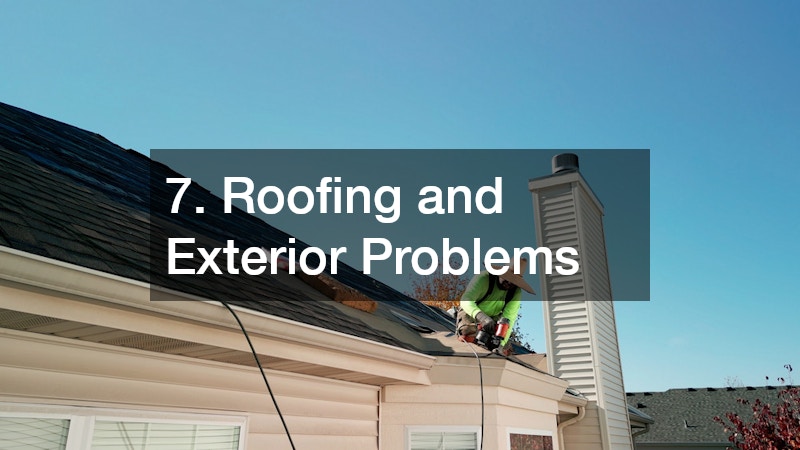
The exterior of an older home can hide numerous hazards. Roofs may develop leaks, shingles can deteriorate, and gutters may fail, allowing water to seep into the home and cause hidden damage. Even small issues like curling shingles or sagging areas can turn into major structural problems if left unchecked. Scheduling inspections with a professional residential roofer can help identify weak spots early and ensure your roof remains safe and functional.
It’s not just the roof that requires attention—driveways, patios, and walkways can also deteriorate over time. Cracks, uneven surfaces, and shifting materials can create tripping hazards and drainage problems. Hiring a skilled paving contractor to repair or resurface these areas not only improves safety but also enhances the overall curb appeal of your home.
Some additional tips to maintain the exterior of an older home include:
-
Regularly clean gutters and downspouts to prevent water buildup.
-
Inspect roof flashing and seals around chimneys or vents.
-
Check sidewalks and driveways for cracks or uneven spots and address them promptly.
-
Trim overhanging tree branches to prevent damage during storms.
By staying on top of roofing and exterior maintenance, you can protect your home from hidden hazards, prevent costly repairs, and keep your living space safe and comfortable year-round.
8. Electrical Hazards
Old wiring is a serious concern in older homes. Outdated electrical panels, frayed wires, and ungrounded outlets can all lead to fires or power surges. Warning signs include flickering lights, frequent breaker trips, or outlets that feel warm to the touch. These issues should never be ignored, as they can escalate quickly.
Hiring a licensed electrician to inspect and update your system is highly recommended. Replacing old wiring, upgrading panels, and installing modern outlets and breakers not only improves safety but also increases energy efficiency and prepares your home for modern electronics.
Tips for managing electrical hazards:
-
Regularly test outlets and breakers for proper function.
-
Avoid overloading circuits with too many appliances.
-
Check for exposed or frayed wiring in hidden areas like basements or attics.
-
Schedule routine inspections with a licensed professional to catch issues early.
9. Mold and Moisture Damage
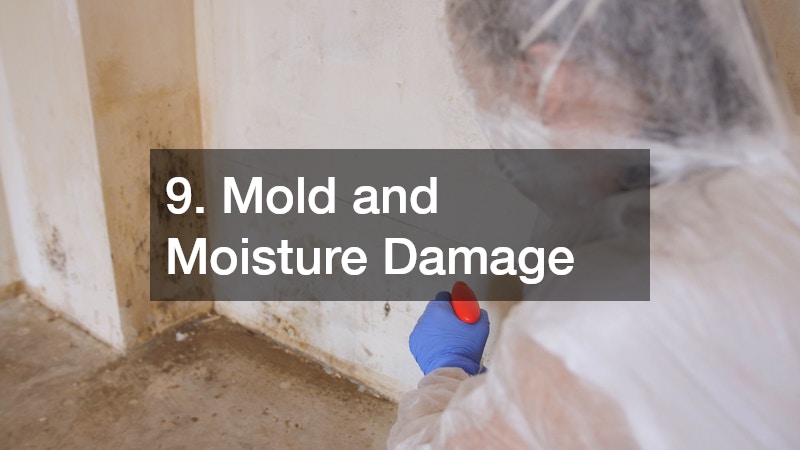
Water leaks and high humidity in older homes can lead to mold growth, which poses both health and structural risks. Mold often thrives in hidden areas such as under sinks, behind walls, and in basements where moisture accumulates. Even minor, persistent leaks can create an environment for mold to spread over time.
The health impacts of mold exposure can range from mild allergic reactions to serious respiratory issues, particularly for those with asthma or weakened immune systems. Detecting and addressing moisture problems early is key. Look for signs such as musty odors, visible water stains, or discoloration on walls and ceilings.
Preventative and remedial steps:
-
Use dehumidifiers in damp areas to control moisture.
-
Improve ventilation in kitchens, bathrooms, and basements.
-
Repair leaks promptly in plumbing, roofs, or walls.
-
Consider professional remediation for large or persistent mold infestations.
10. Structural Weaknesses
Older homes can suffer from settling foundations, cracked walls, sagging floors, or deteriorating support beams. These issues aren’t always obvious but can become dangerous over time, especially during renovations or heavy use.
Regular inspections are crucial. Look for uneven floors, doors or windows that stick, or cracks wider than a hairline. If any signs of structural issues appear, consult a professional immediately. Reinforcement, repair, or even replacement of compromised components may be required to maintain your home’s integrity.
Tips for spotting structural issues:
-
Watch for doors or windows that no longer close properly.
-
Check for visible cracks in walls, ceilings, or foundations.
-
Monitor floor leveling and any sagging areas.
-
Seek professional evaluation for suspected damage before starting renovations.
Wrapping It Up
Old homes are full of personality, history, and charm, but they come with hidden challenges that need attention. From asbestos and mold to pests and electrical hazards, being proactive is the best way to ensure your home remains safe, comfortable, and beautiful.
Taking the time to inspect, maintain, and repair your home—whether through DIY methods or professional services—can prevent minor issues from turning into major headaches. By staying vigilant and addressing hidden dangers early, you can enjoy all the unique character of your old home without worrying about the unseen risks.