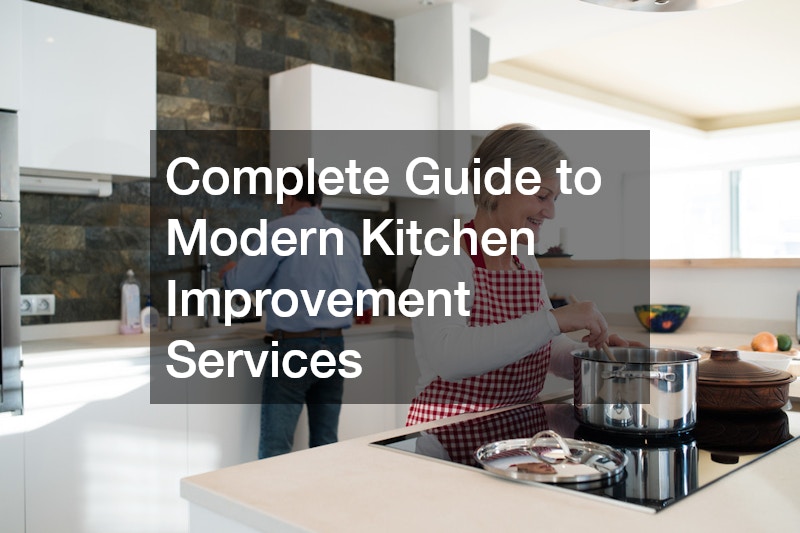

Modern kitchens are no longer just places to cook; they’re multifunctional spaces where design, comfort, and efficiency intersect. Whether you’re renovating an older home or refining a newer one, thoughtful upgrades can dramatically improve daily routines, resale value, and long-term performance. From surfaces and storage to utilities and air quality, today’s kitchen improvements focus on smarter materials, professional installation, and future-ready systems.
This guide breaks down essential improvement services into practical, reader-focused sections. Each one offers actionable tips to help homeowners make confident, informed decisions that align with both lifestyle needs and budget goals.

Choosing Durable and Stylish Surfaces for Everyday Use
A kitchen’s surfaces set the tone for both appearance and functionality. Selecting the right kitchen countertop requires balancing aesthetics, durability, and maintenance needs. Quartz and granite remain popular for their longevity, while newer options like porcelain slabs and recycled composites offer sleek looks with impressive resistance to heat and stains.
When evaluating materials, consider how the kitchen is actually used. Busy households may benefit from low-maintenance surfaces that resist scratching and discoloration. Lighter colors can brighten the space but may require more frequent cleaning, while darker tones hide wear better. Edge profiles and thickness also matter, as they influence both safety and visual weight.
Professional measurement and installation are critical. Even premium materials can fail if seams are poorly aligned or cabinets aren’t level. Request samples to view under your actual lighting and ask about warranties before committing.
Updating Floors and Backsplashes Without Full Renovation
Refreshing floors and backsplashes can transform a kitchen without the cost of a full remodel. Strategic tile replacements allow homeowners to update dated patterns, repair damage, or improve slip resistance. Porcelain and ceramic tiles dominate modern kitchens due to their durability and wide design range.
Before selecting tile, assess moisture exposure and foot traffic. Larger-format tiles reduce grout lines, making cleaning easier, while textured finishes improve traction. For backsplashes, glass and natural stone create visual interest while protecting walls from splashes and heat.
Preparation is essential for long-lasting results. Old surfaces must be properly removed or leveled to prevent cracking. Coordinating grout color with cabinetry and counters ensures a cohesive look rather than a patchwork effect.
Planning Electrical Upgrades for Safety and Convenience
Electrical needs in modern kitchens go far beyond a few outlets. Engaged licensed electricians ensure new appliances, lighting systems, and charging stations are installed safely and up to code. Proper planning prevents overloads and future retrofitting costs.
Task lighting under cabinets improves visibility, while dedicated circuits support high-demand appliances like induction cooktops. USB outlets and smart switches add convenience without clutter. Upgrading panels may also be necessary when adding multiple new systems.
Safety should always lead design decisions. Ground-fault and arc-fault protection reduce fire and shock risks, especially near sinks. A professional evaluation can identify outdated wiring that may not support modern usage demands.

Improving Water Quality at the Source
Clean water is a cornerstone of a healthy kitchen. Installing water purification systems helps remove contaminants that affect taste, odor, and safety. Options range from under-sink filters to whole-home systems that treat water before it reaches any tap.
The right system depends on local water conditions and household needs. Testing water quality reveals whether filtration, reverse osmosis, or softening is required. Cooking, drinking, and ice-making all benefit from purified water, while appliances last longer with reduced mineral buildup.
Professional installation ensures correct pressure and leak-free connections. Maintenance schedules, such as filter replacement, should be factored into long-term planning to maintain consistent performance.
Maintaining Comfort Through Proper Climate Control
Kitchens generate significant heat from stoves, ovens, and dishwashers, making climate control an often-overlooked but essential component of modern kitchen design. Proper airflow not only improves comfort during cooking and entertaining but also protects cabinetry, countertops, and appliances from excess heat and humidity. Integrating an ac installation service tailored specifically to kitchen needs ensures consistent temperature regulation without wasting energy. Zoned cooling systems are particularly effective, allowing targeted comfort in high-use areas while minimizing unnecessary cooling in adjacent spaces.
Ventilation plays a complementary role. High-quality range hoods efficiently remove heat, grease, and odors, reducing strain on air conditioning units and improving indoor air quality. Selecting units with variable speeds allows homeowners to adjust airflow based on the cooking load, ensuring energy-efficient performance during light preparation or full meal cooking. This adaptability not only keeps the space comfortable but also extends the life of HVAC equipment.
A professional assessment is critical to determine appropriate ductwork, insulation, and system sizing. Oversized units can cycle on and off inefficiently, wasting energy, while undersized systems may struggle to maintain consistent comfort, leaving hot spots in the kitchen. Properly designed airflow, combined with efficient cooling and ventilation, creates a kitchen that remains pleasant year-round, supporting both daily use and entertaining without unnecessary energy costs or discomfort.
Reducing Cleaning Time With Built-In Convenience Systems
Hidden systems can make a noticeable difference in daily upkeep, especially in high-traffic areas like the kitchen. Installing central vacuums provides powerful, quiet cleaning without the inconvenience of dragging bulky equipment from room to room. Built-in hoses and discreet access points streamline routine cleaning, making it easier to maintain a tidy space even during busy days.
In kitchens, toe-kick inlets are particularly effective. Positioned at floor level beneath cabinets, these inlets allow homeowners to sweep crumbs, dust, and debris directly into the system with a simple motion. This feature reduces the need for frequent vacuuming and encourages quick cleanups after meals or food preparation. Over time, these small efficiencies add up to significant time savings.
Beyond convenience, built-in vacuum systems improve indoor air quality by venting dust and fine particles outside the living space rather than recirculating them. This results in fewer allergens remaining in the air, which is especially important in areas where food is prepared and stored. Specialized attachments designed for hard floors, baseboards, and tight corners further enhance cleaning efficiency.
Planning system placement during renovation minimizes visual impact and simplifies installation. Retrofitting is possible but requires careful routing to avoid structural obstacles. For many homeowners, the long-term convenience, cleaner air, and reduced daily effort justify the initial investment.

Refreshing Storage With Cost-Effective Finishes
Updating cabinetry doesn’t always require full replacement, especially when the existing layout and structure still function well. Professional cabinet painting revitalizes worn or dated surfaces at a fraction of the cost of installing new units, making it a smart option for homeowners seeking visual impact without major disruption. Modern coatings are designed specifically for kitchen environments, offering durable, washable finishes that resist moisture, grease, and frequent handling.
Color selection plays a powerful role in how the space is perceived. Lighter shades can make smaller kitchens feel more open and airy, reflecting light and reducing visual clutter. Deeper tones introduce contrast and sophistication, especially when paired with modern hardware or lighter countertops. Finish choice matters just as much; matte finishes help conceal surface flaws and fingerprints, while satin and semi-gloss finishes are easier to wipe clean and better suited for high-use areas.
Proper preparation ultimately determines the quality and longevity of the result. Cabinet doors and drawers must be removed, thoroughly cleaned to eliminate grease buildup, carefully sanded, and primed to ensure lasting adhesion. Skipping these steps often leads to peeling or uneven texture over time. Hiring experienced professionals helps avoid brush marks, drips, and inconsistent coverage. Attention to detail during preparation and application ensures the refreshed cabinetry looks polished, cohesive, and capable of withstanding daily kitchen use for years to come.
Enhancing Flow Between Rooms and Work Zones
Doors play a major role in how a kitchen connects to adjacent spaces, shaping both movement and overall comfort. Thoughtfully planned interior door installation services improve accessibility, reduce noise transfer, and create visual continuity between rooms. The right door choice can help the kitchen feel open and connected while still allowing separation when privacy or noise control is needed.
Different door styles support different layouts and lifestyles. Sliding and pocket doors are ideal for tight spaces, eliminating swing clearance and keeping walkways unobstructed. Glass-paneled doors, whether clear or partially frosted, allow natural light to travel between rooms, preventing the kitchen from feeling closed off. These options are especially useful in open-concept homes where flexibility is important.
Traffic patterns should always guide door selection. Understanding how people move between the kitchen, dining area, and living spaces helps determine the best placement and opening direction. Soft-close hardware and high-quality hinges enhance the daily experience by reducing noise and preventing wear from repeated use. Frosted or textured glass maintains privacy while still preserving brightness.
Accurate framing and alignment are essential for long-term performance. Poor installation can lead to sticking, drafts, and premature wear. Coordinating door finishes with cabinetry, trim, and flooring creates a cohesive design that feels intentional rather than pieced together.
Increasing Natural Light and Energy Efficiency
Windows shape a kitchen’s atmosphere by influencing natural light, ventilation, and overall comfort throughout the day. Addressing sliding window repairs restores smooth operation, improves insulation, and reduces unwanted energy loss, making the kitchen more comfortable in every season. Well-functioning windows allow fresh air to circulate during cooking while maximizing daylight, which can reduce reliance on artificial lighting and create a more inviting space.
Common signs that repairs are needed include drafts, condensation between panes, rising energy bills, and difficulty opening or closing windows. These issues often point to worn tracks, damaged seals, or failing rollers. Replacing these components can significantly extend a window’s lifespan and restore performance without the expense of a full replacement. Simple repairs also improve safety by ensuring windows lock properly and remain secure.
When more extensive upgrades are necessary, modern glazing options provide measurable benefits. Low-emissivity glass reflects heat while allowing natural light to pass through, improving energy efficiency without sacrificing views. Double- or triple-pane designs further reduce heat transfer and noise from outside.
A professional evaluation helps determine whether repair or replacement offers better long-term value. Proper flashing and sealing during installation or repair prevent moisture intrusion that could damage surrounding cabinetry, walls, or flooring, protecting both comfort and structural integrity over time.

Ensuring Reliable Water and Waste Systems
Behind-the-scenes systems are just as important as visible upgrades, especially when it comes to maintaining a kitchen that functions reliably day after day. Dependable plumbing services support everything from sinks and dishwashers to refrigerators, ice makers, and filtration systems, all of which rely on consistent water flow and proper drainage. When plumbing is outdated or poorly maintained, even small issues can disrupt daily routines and lead to costly repairs.
Modern fixtures play a key role in improving efficiency while reducing unnecessary water waste. Low-flow faucets, high-efficiency dishwashers, and advanced valves help conserve resources without sacrificing performance. Upgrading these components also enhances water pressure balance, ensuring appliances operate as intended and minimizing strain on pipes.
More comprehensive upgrades may include pipe replacement, pressure regulation, and advanced leak detection systems. Aging pipes made from older materials can corrode or restrict flow over time, making replacement a proactive investment. Smart shutoff valves add an extra layer of protection by automatically stopping water flow when leaks are detected, significantly reducing the risk of water damage.
Routine inspections are essential for catching minor concerns before they escalate into major problems. Coordinating plumbing updates with other renovations not only reduces labor costs but also ensures compatibility with new fixtures and appliances, creating a kitchen system that works efficiently, safely, and reliably for the long term.
A modern kitchen succeeds when form and function work together seamlessly, creating a space that not only looks appealing but also supports how people truly live and move throughout the day. Thoughtful planning allows homeowners to anticipate routines, storage needs, and traffic flow, ensuring the kitchen feels intuitive rather than crowded or inefficient. When design decisions are made with both aesthetics and practicality in mind, the result is a space that enhances everyday tasks instead of complicating them.
Professional installation plays a critical role in turning those plans into lasting results. Skilled workmanship ensures that materials perform as intended, systems operate safely, and finishes hold up under daily use. Even the most attractive upgrades can fall short if installation is rushed or improperly executed, which is why experienced professionals add long-term value beyond the initial project.
Quality materials further reinforce durability and comfort over time. Well-chosen surfaces, fixtures, and systems resist wear, reduce maintenance demands, and age more gracefully. By approaching improvements strategically, prioritizing upgrades that offer efficiency, comfort, and adaptability, homeowners can avoid frequent repairs or replacements. This long-term perspective helps create a kitchen that remains functional, inviting, and relevant for years, supporting both present-day needs and future lifestyle changes.