
Asphalt driveways are popular due to their durability and aesthetic appeal. However, over time, exposure to weather conditions can lead to cracks and deterioration of the surface, making replacement necessary. Asphalt driveway replacement isn’t just about restoring the visual appeal but also about maintaining its functional integrity.
The process of replacing an asphalt driveway can seem daunting, but modernization and advancements in technology have streamlined much of the process. With the right preparation and guidance, you can replace your driveway efficiently.
Knowing when and how to begin the project can make a significant difference in execution and results.
One clear indicator that you need a driveway replacement is the increasing frequency of repairs. If small cracks and holes continue to appear and grow larger over time, it’s a sign that the foundation underneath is compromised. Addressing this timely can prevent more costly damages and save money in the long run.
Signs You Need an Asphalt Driveway Replacement
Recognizing the signs of a deteriorating asphalt driveway early can save you a great deal of hassle and expense. One of the most obvious signs is cracking; while minor surface cracks can be repaired, larger ones often indicate a need for replacement. Another indicator is pooling water after a rainstorm, which suggests poor drainage or foundational issues.
Driveways that are over 20 years old or have experienced significant wear from heavy vehicles may begin to show subsidence. When the base of the driveway weakens, it no longer supports the surface effectively, leading to structural failures. Discoloration and faded aspects are more than just aesthetic issues—sun exposure can cause the binder to break down.
Finally, if you notice that maintenance costs are rising significantly, it’s a signal that a complete replacement is more economical. Replacing the driveway brings peace of mind and restores its structural integrity, making it a valuable investment in your property. By conducting a careful assessment, you can avoid temporary fixes that don’t address the underlying problems.
Steps to Replacing Your Asphalt Driveway
Replacing an asphalt driveway involves several critical steps, starting with a thorough analysis and planning. Firstly, the existing asphalt must be removed carefully to avoid damage to the underlying base. Removal is a meticulous task that usually requires professional machinery or skilled labor to handle effectively.
Next comes the preparation of the base, which is essential for a successful installation. The base layer needs to be inspected, repaired, and compacted to support the new asphalt layer properly. Skipping or improperly executing this step can lead to premature failure of the new driveway.
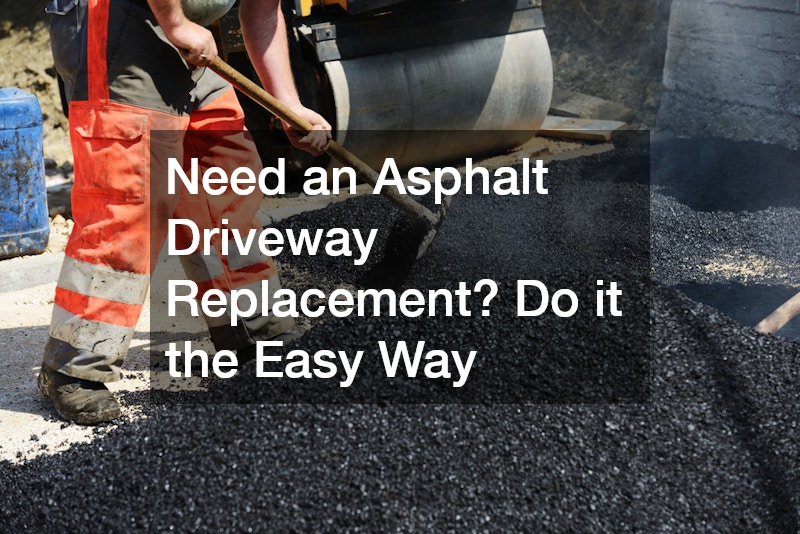
Once the base is ready, new asphalt is laid and compacted. It’s essential to choose the right time of year for installation, aligning with warm temperatures that allow for optimal adhesion and curing. Working with professionals ensures proper mixture and laying techniques, which contribute to the longevity of the new driveway.
DIY vs. Professional Asphalt Driveway Replacement
Homeowners often wonder if they should attempt a DIY replacement or hire professionals. While doing it yourself can save money upfront, it requires significant time, effort, and knowledge of materials and machinery. Mistakes in leveling or compaction can lead to future problems, negating any initial savings.
Hiring professionals for an asphalt driveway replacement guarantees a streamlined process with fewer errors. Professionals bring experience, industry knowledge, and access to specialized equipment that ensures a high-quality finish. Additionally, they can identify potential issues that may not be apparent to the untrained eye.
When considering the overall costs—including time, materials, and labor—professional replacement offers a reliable return on investment. Hiring a reputable contractor gives you access to a service warranty, assurance of quality materials, and adherence to local building codes and guidelines. Ultimately, it provides peace of mind knowing the job is done correctly.
Maximizing the Lifespan of Your New Asphalt Driveway
Once your new asphalt driveway is installed, proper maintenance can significantly extend its lifespan. Regular sealing of the driveway helps protect it from weather elements and wear and tear from vehicles. Sealing also enhances the color, contributing to sustained curb appeal.
Cleaning the asphalt surface periodically prevents the buildup of dirt, oil, and other debris that can weaken its integrity over time. Addressing stains promptly helps avoid stubborn marks and potential destructive chemical reactions. Moreover, observing any minor cracks and treating them immediately prevents them from becoming larger issues.
Landscaping can influence the durability of your driveway as well. Proper drainage and minimizing root intrusion from nearby plants are essential to maintaining the surface and foundation. Regular inspections by professionals can detect and remedy any underlying issues, ensuring your driveway continues to serve its purpose for years to come.